
This guide will walk you through the most common medication mistakes moms make, why they happen, and how to avoid them. The goal is not to make you feel worried, but to help you feel more confident and informed when giving medications to your child.
When your child is unwell, your first instinct is to help them feel better as quickly as possible. For many moms, that often means reaching for medication, whether it is something prescribed or an over-the-counter remedy you have used before.
In those moments, things can feel rushed. You are trying to comfort your child, manage your day, and make the right decision at the same time. It is easy to assume you are doing everything correctly, especially when the medication seems familiar or commonly used.

But the truth is, medication mistakes are more common than many people realize and they do not happen because you are careless. They happen because instructions can be confusing, dosages can vary, and busy routines make it harder to double-check every detail.
Keeping family health information organized can also reduce stress for new moms who are already managing many responsibilities. Learn how simple systems can help with managing mental load after baby.
As a pharmacist, I have seen how small, unintentional mistakes can affect how well a medication works or, in some cases, lead to unwanted side effects. The good news is that most of these mistakes are preventable with simple awareness and a few practical habits.
Why Medication Mistakes Happen More Often Than You Think
Medication mistakes can happen to anyone, even the most careful moms. When you are caring for a child, especially when they are unwell, there are many things happening at once. These situations can make it easier to miss small but important details.
Understanding why these common medication mistakes moms make, happen can help you prevent them.
- Lack of Clear Instructions: Medication labels and instructions are not always easy to understand. Medical terms, abbreviations, and small print can make it confusing to know the correct dose, timing, or method of use.
- Busy Mom Life & Distractions: Caring for a sick child often happens alongside other responsibilities such as cooking, cleaning, working, or taking care of other children. These distractions can lead to rushed decisions or missed steps.
- Assumptions from Past Experience: It is common to rely on what worked before. For example, using the same medication or dosage from a previous illness without checking if it is still appropriate. However, children grow, and their dosage needs can change.
- Over-the-Counter Confidence: Because some medications are easy to buy without a prescription, it can feel like they are always safe to use without much thought. While many over-the-counter medicines are safe when used correctly, they still require careful attention to dosage and instructions.
- Misunderstanding Dosage Guidelines: Some medications are based on a child’s weight, not just age. Without realizing this, it is easy to give too much or too little, which can affect how well the medicine works.
Medication mistakes are often unintentional and come from everyday situations. Being aware of these common causes is the first step toward using medications safely and confidently.
Many mistakes happen because medicines are misplaced or forgotten. Improving family medicine organization for busy moms is a simple way to prevent errors.
Common Medication Mistakes Moms Make
Even with the best intentions, small medication mistakes can happen. These are some of the most common ones I see as a pharmacist but the good news is that they are all preventable.
- Giving the Wrong Dosage: One of the most common mistakes is giving too much or too little medication. This often happens when:
- Guessing the dose
- Using age instead of weight
- Misreading instructions
Even a small difference in dosage can affect how well the medicine works.
- . Using Household Spoons Instead of Proper Measuring Tools: Kitchen spoons are not accurate for measuring medication. This can lead to incorrect dosing.Always use:
- Syringes
- Medicine cups
- Droppers provided with the medication
- Not Checking Active Ingredients: Some medications contain the same active ingredient but have different brand names. Giving more than one at the same time can lead to accidental double dosing.Example:
- Two medicines both containing paracetamol
- . Stopping Medication Too Early: When a child starts to feel better, it can be tempting to stop the medication early especially when you are already managing stress and fatigue. . However, some treatments need to be completed fully to work effectively.
- Using Expired Medications: Expired medicines may not work as expected and can sometimes be unsafe.Always check for Expiry date before use
- Sharing Medications Between Children: Each child is different. Age, weight, and condition all affect how a medication should be used. What works for one child may not be safe for another.
- Not Reading Labels Properly: Important details like dosage, timing, and warnings are often on the label. Skipping this step can lead to mistakes.
- Giving Medication at the Wrong Time: Some medications need to be taken:
- At specific intervals
- With or without food
Incorrect timing can reduce effectiveness.
- Mixing Medication Incorrectly: Crushing tablets or mixing medicine into food or drinks without proper guidance can affect how the medication works.
- Storing Medications Incorrectly: Improper storage can affect the quality and safety of medications.Avoid:
- Heat exposure
- Leaving medicines within children’s reach
These mistakes are common, but with a little awareness, they can easily be avoided.
Safe Medication Practices Every Mom Should Know
Beyond giving the right dose, there are simple everyday practices that can help you use medications more safely and confidently. These habits reduce the risk of mistakes and make it easier to manage your child’s care, especially during busy or stressful moments.
- Keep a Medication Record: When your child is taking medication, it can be helpful to keep a simple record.You can note:
- Name of the medication
- Dosage given
- Time it was given
This is especially useful if:
- More than one person is caring for your child
- Your child is taking multiple medications
- Check Expiry Dates Regularly: It is easy to forget about medicines stored at home.Make it a habit to:
- Check expiry dates before use
- Dispose of expired medications safely
Using fresh medication ensures it works properly.
- Store Medicines Safely: Proper storage helps maintain the quality of medications and keeps your child safe.Store medicines:
- In a cool, dry place (unless stated otherwise)
- Out of reach of children
- In their original packaging
Avoid leaving medicines where children can easily access them.
- Avoid Self-Prescribing When Unsure: It is common to rely on past experience, but not all symptoms require the same treatment.If you are unsure:
- Ask a pharmacist
- Seek professional advice
This helps ensure your child gets the right treatment.
- Use One Pharmacy When Possible: Getting medications from the same pharmacy can help ensure consistency and better guidance.A pharmacist can:
- Track your child’s medications
- Identify possible interactions
- Provide tailored advice
- Be Careful with Multiple Medications: If your child is taking more than one medication, take extra care to avoid overlap or interactions.Always:
- Check active ingredients
- Follow correct timing
- Ask if medications can be taken together
These simple practices can make medication use safer and more manageable, giving you peace of mind while caring for your child. Safe medication practices help reduce the risk of errors and improve outcomes.
Pharmacist Tips for Busy Moms
As a pharmacist, I understand how challenging it can be to manage medications while taking care of your child and handling daily responsibilities.
 These simple, practical tips can help you stay organized, reduce mistakes, and feel more confident when giving medications.
- Double-Check Before Every Dose: Before giving any medication, take a quick moment to confirm:
- The correct medicine
- The right dosage
- The right time
This small habit can prevent many common medication mistakes moms make.
- Use Reminders and Alarms: Busy schedules can make it easy to forget doses or give them too close together.Try:
- Setting alarms on your phone
- Using reminder apps
- Writing down dosing times
- Keep Medications Organized: Having a simple system can make a big difference. Staying organized can also support your overall wellness and daily habits.
 You can:
- Store medicines in one place
- Label medications clearly
- Separate each child’s medication if needed
- Do not Rely on Memory: Even if you have given the medication before, always check the label again.This helps avoid:
- Giving the wrong dose
- Mixing up medications
- Ask Questions Without Hesitation: If something is unclear, do not guess.A pharmacist can help you:
- Confirm correct dosing
- Explain instructions
- Recommend safer options
- Keep It Simple: When your child is sick, things can feel overwhelming. Focus on doing the basics correctly rather than trying to do everything at once.These tips are designed to make medication use safer and easier, even on your busiest days.
Quick Medication Safety Checklist (For Busy Moms)
When your child is unwell, it helps to have a simple checklist to guide you. You do not have to remember everything, just follow these quick steps to make medication use safer and easier.
✔ Medication Safety Checklist
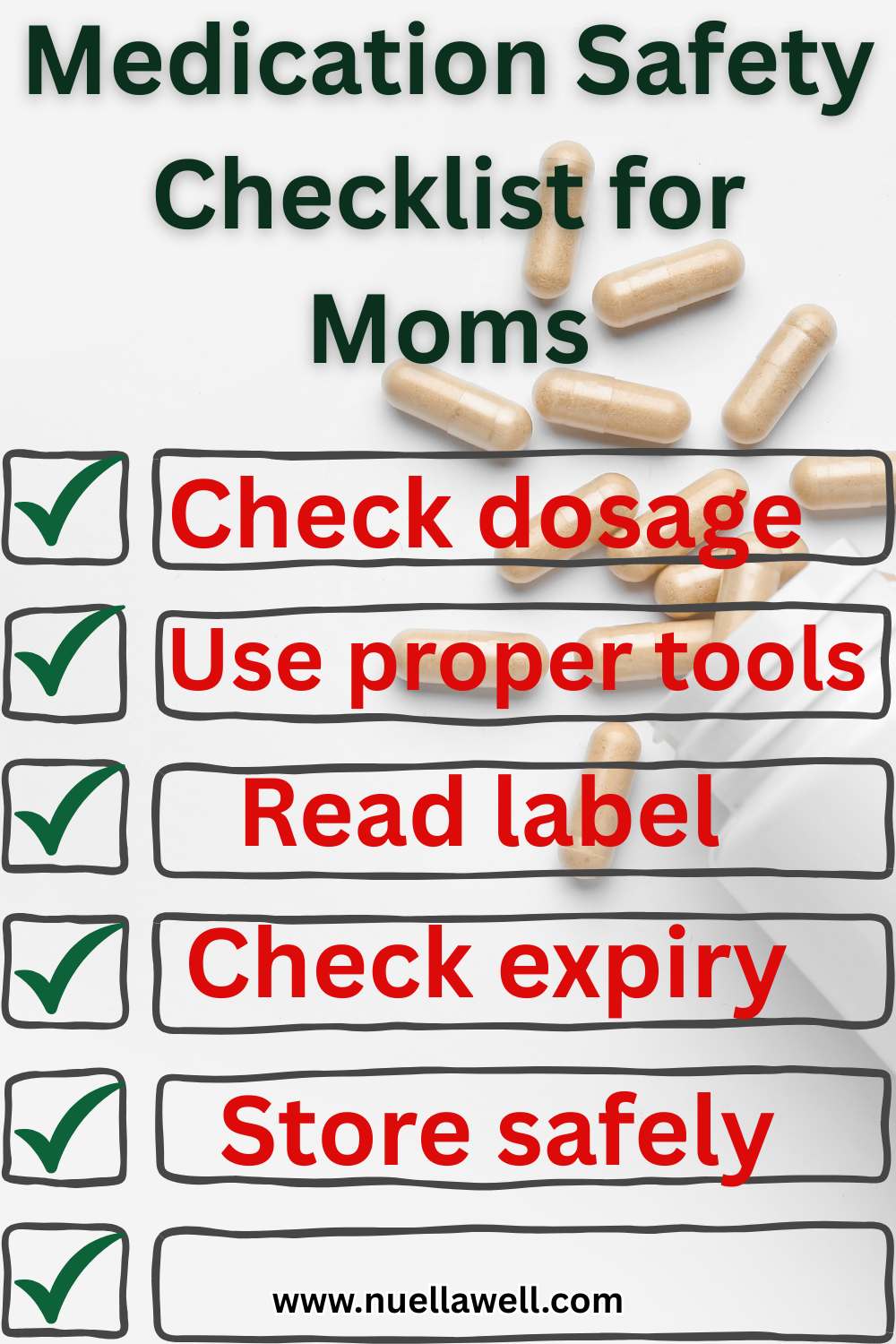
✔ Check the correct medication
✔ Confirm the right dosage (based on weight if needed)
✔ Use the proper measuring tool (not a kitchen spoon)
✔ Read the label every time
✔ Check the expiry date
✔ Give medication at the correct time
✔ Avoid giving two medicines with the same ingredient
✔ Store medication safely out of reach
✔ Keep track of doses given
✔ Ask a pharmacist if unsure
You can save this checklist on your phone or keep it somewhere visible. Even following a few of these steps can help prevent common mistakes and keep your child safe.
School routines can create additional medication challenges for families. Learn how to prepare medicines, forms, and safety information with our Back-to-School Medication Checklist for Busy Moms: A Pharmacist’s Guide.
Conclusion on Common Medication Mistakes Moms Make
Caring for a sick child can be stressful, especially when you are trying to do everything right. Medication mistakes are more common than many moms realize, but they are usually small and unintentional.
The most important thing to remember is that you do not need to be perfect, you just need to be mindful.
By taking a few extra moments to check labels, confirm dosages, and stay organized, you can greatly reduce the chances of mistakes. These small habits can make a big difference in keeping your child safe and ensuring medications work as they should.

As a pharmacist, my goal is to help you feel more confident, not overwhelmed. You are already doing your best by caring for your child, these tips are simply here to support you.
If you are ever unsure about a medication, do not hesitate to ask a healthcare professional. It is always better to double-check than to guess.
With the right knowledge and simple precautions, you can handle medications safely and confidently, even on your busiest days.
Disclaimer
This content is for educational purposes only and does not replace professional medical advice. Always consult a healthcare professional for specific concerns about your child’s health or medications.

