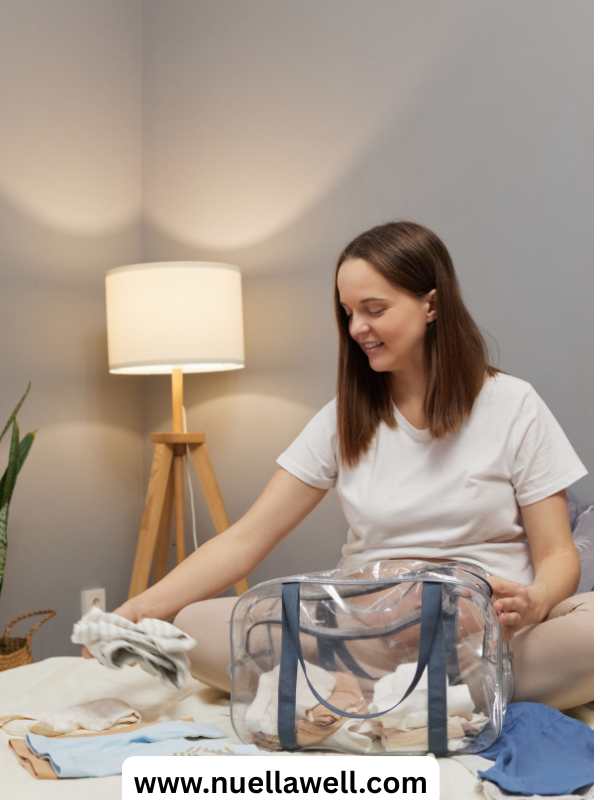
Creating a postpartum home preparation checklist helps you stay organized, ensures essential supplies are within reach, and allows you to focus on what really matters, which are; resting, bonding with your newborn, and caring for your own health.
The first few weeks after your baby arrives can feel overwhelming. Between sleepless nights, diaper changes, and feeding schedules, it’s easy for new moms to feel like they’re constantly scrambling. But a little preparation before the baby arrives can make a huge difference.
Even simple steps, like setting up a comfortable recovery area, organizing medicines and first-aid supplies, and keeping feeding essentials handy, can save hours of stress in those early weeks. With the right preparation, you will feel calmer, more confident, and ready to enjoy this special time.
Preparing your home before your baby arrives also includes creating a simple system for your family’s health supplies. Our guide on family medicine organization for busy moms explains how to organize medicines, check supplies, and create a safer home health system.
Why Prepping Your Home Before Baby Matters
Bringing a newborn home is exciting, but it can also be exhausting and overwhelming. Many new moms find themselves searching for essentials at the last minute, trying to remember what they need for both themselves and their baby. Preparing your home ahead of time not only reduces stress but also helps you focus on recovery and bonding during those critical first weeks.
Preparing your home is an important first step, but creating supportive daily habits after birth matters too. Learn how to create a postpartum morning routine that helps you care for yourself while caring for your newborn.
A well-prepared home ensures that you can:
- Access essentials quickly: Medicines, first-aid supplies, and baby care items are all within reach, so you spend less time hunting for what you need.
- Support your health and recovery: Having a designated postpartum space with comfort items, snacks, and hydration makes it easier to rest and take care of yourself.
- Create a calm environment: Organized spaces reduce mental clutter, making it easier to relax and adjust to your new routine.
- Reduce stress for the whole family: Partners and older children can easily find what they need without disrupting the recovery space.
Pro Tip from a Pharmacist: Even before the baby arrives, organizing your family’s medicines and health supplies can prevent confusion during the hectic first weeks. For practical guidance, check out our Family Medicine Cabinet Organization for Busy Moms guide.
By taking the time to prepare now, you give yourself the gift of a smoother, calmer postpartum experience. These small steps can make a big difference in your recovery, your baby’s comfort, and your family’s overall well-being.
The Postpartum Home Preparation Checklist (Step-by-Step)
Creating a postpartum home preparation station doesn’t have to be complicated. By following these steps, you can set up a space that keeps essential items organized, accessible, and ready for the first weeks after birth.
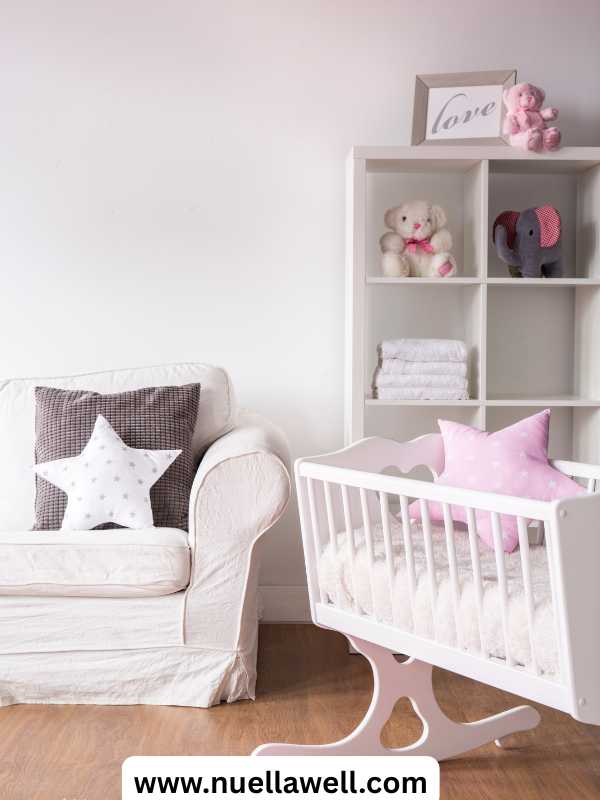
Step 1: Comfort & Recovery Supplies
Make your recovery area cozy and practical. Even small moments of rest can support your overall wellness.
Include:
- Comfortable clothing (loose, easy-to-wear)
- Extra pillows and blankets for support
- Water bottle and healthy snacks
- Personal care items like lip balm, moisturizer, and tissues
- Phone charger nearby
Tip: Keep your recovery supplies in one easy-to-access spot so you don’t have to move around when you’re tired.
Try incorporating quick self-care routines for busy moms into your daily schedule during the postpartum period.
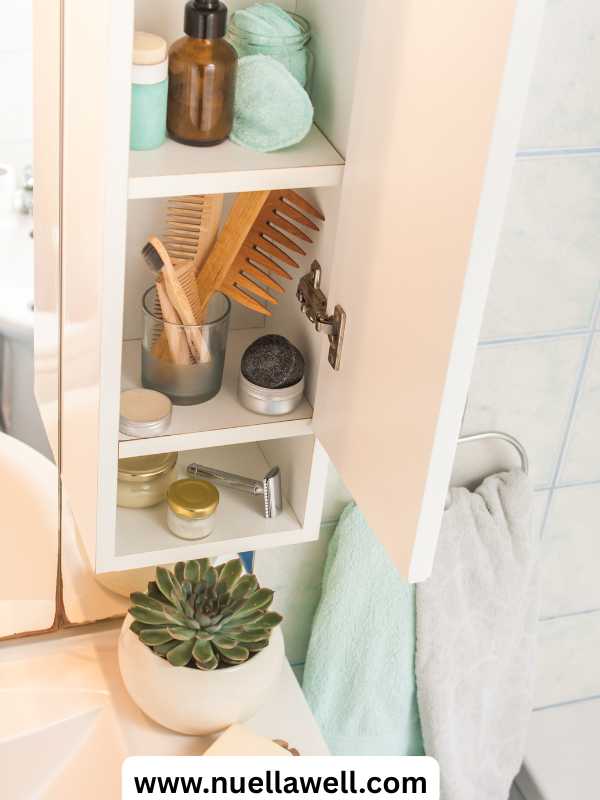
Step 2: Bathroom & Hygiene Essentials
Prepare the bathroom area for postpartum needs:
- Postpartum pads or recommended personal care items
- Comfortable underwear
- Toiletries for easy access
- Pain relief (as approved by your healthcare provider)
Step 3: Feeding Station
Set up a dedicated area for baby care and feeding:
- Nursing supplies (breast pads, nipple cream, pump accessories)
- Burp cloths and bibs
- Water and quick snacks for yourself
- A comfortable chair or support pillow

Step 4: Baby Essentials
Keep all baby necessities organized and within reach:
- Diapers and wipes (stocked in nursery and changing area)
- Extra baby clothes and swaddles
- Blankets for temperature control
- Basic first-aid kit for baby
- Emergency contacts and pediatric info easily accessible
When preparing your baby’s sleeping and care areas, follow safe practices recommended by trusted pediatric organizations. The American Academy of Pediatrics provides guidance on infant health and safety.
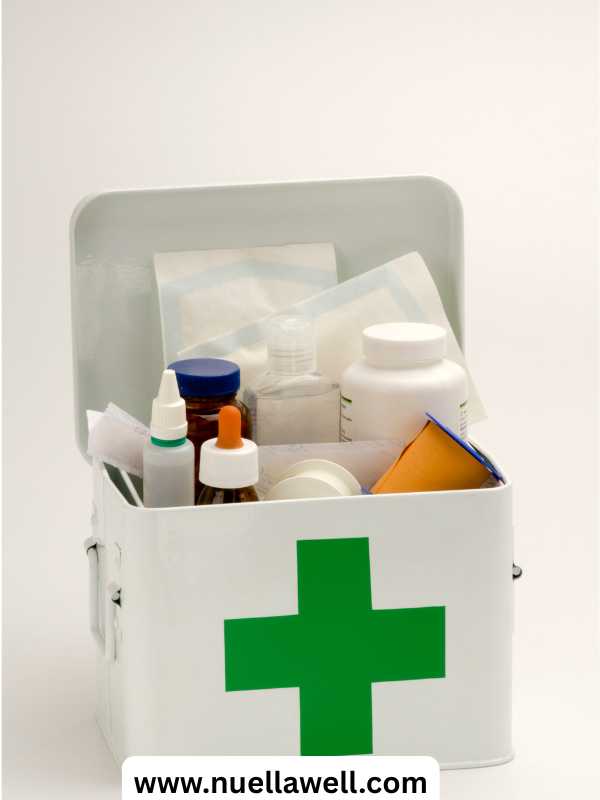
Step 5: Health & Medication Organization
Even before baby arrives, having a simple medicine system helps reduce stress:
- Thermometer and basic first-aid supplies
- Prenatal/postpartum vitamins
- Any approved prescription or over-the-counter medications
- Organized medicine basket or cabinet
Step 6: Home & Household Prep
Small touches can make life easier:
- Quick-access snacks or prepared meals for yourself
- Laundry plan for baby and mom
- Charging stations for devices
- A calm, clean area to rest or feed the baby
Step 7: Optional Printables & Trackers
Add tools to keep track of routines and schedules:
- Daily postpartum routine tracker
- Feeding or nursing schedule
- Family medication log
- Printable checklist for quick reference
Postpartum Home Preparation Checklist for New Moms
1. Comfort & Recovery Supplies
- ☐ Comfortable clothing (loose, easy-to-wear)
- ☐ Extra pillows & blankets for support
- ☐ Water bottle within reach
- ☐ Healthy snacks nearby
- ☐ Lip balm, moisturizer, tissues
- ☐ Phone charger in recovery area
2. Bathroom & Hygiene Essentials
- ☐ Postpartum pads / personal care items
- ☐ Comfortable underwear
- ☐ Toiletries for quick access
- ☐ Pain relief (as approved by your healthcare provider)
3. Feeding Station
- ☐ Nursing supplies (breast pads, nipple cream, pump accessories)
- ☐ Burp cloths and bibs
- ☐ Water and snacks for mom
- ☐ Comfortable chair or support pillow
4. Baby Essentials
- ☐ Diapers & wipes (enough for several days)
- ☐ Extra baby clothes & swaddles
- ☐ Blankets for temperature control
- ☐ Basic first-aid kit for baby
- ☐ Emergency contacts & pediatric information
5. Health & Medication Organization
- ☐ Thermometer & basic first-aid supplies
- ☐ Prenatal/postpartum vitamins
- ☐ Any approved prescription or over-the-counter medications
- ☐ Organized medicine basket or cabinet
6. Home & Household Prep
- ☐ Quick-access meals or snacks
- ☐ Laundry plan for mom & baby
- ☐ Charging stations for devices
- ☐ Calm, clean area for resting & feeding
7. Optional Trackers / Printables
- ☐ Daily postpartum routine tracker
- ☐ Feeding or nursing schedule
- ☐ Family medication log
- ☐ Notes section for personal adjustments
Tips for Using This Checklist:
- Place the PDF in a central location in your home for easy access.
- Review and restock items weekly in the first month postpartum.
- Encourage partners or family members to know where each item is.
- Check expiration dates and replace items as needed.
After preparing your home for a new baby, creating a simple family command center can help you manage appointments, baby routines, household tasks, and important information.
Tips for Partners & Support: Making Postpartum Prep a Team Effort
Preparing for your newborn is not just a solo effort, having your partner or family involved can make a huge difference in your first weeks postpartum. When everyone knows where essentials are and shares responsibilities, it reduces stress and allows the new mom to focus on recovery and bonding with the baby.
Here are some practical tips for involving your support system:
1. Assign Clear Roles
- Decide who will handle feeding tasks, diaper changes, and restocking supplies.
- For example, your partner could manage the feeding station or refill diapers, while older children can help by bringing blankets or burp cloths.
- Clearly assigning tasks ensures nothing gets overlooked during busy moments.
2. Share Responsibility for Household Tasks
- Meal prep, laundry, and light cleaning can be rotated among family members.
- Even small contributions like making tea, washing baby bottles, or taking out trash free up time for the new mom to rest.
- Encourage teamwork rather than expecting one person to handle everything.
3. Organize Supplies Together
- Go through the postpartum recovery station and baby essentials with your partner.
- Show them where items are stored, how to use first-aid or nursing supplies, and which medications are for mom versus baby.
- Label baskets and clearly mark items to prevent confusion.
Preparing your home is only one part of getting ready for life after birth. Planning simple postpartum meals before your baby arrives can also make the early weeks feel easier.
4. Communicate & Check-In Regularly
- Quick check-ins throughout the day help everyone stay aligned.
- Ask your partner or family if they need guidance or reminders about supplies and routines.
- Consistent communication reduces stress and prevents last-minute scrambling.
5. Encourage Emotional Support
- Partners can provide encouragement, help with mental load, or simply offer a listening ear.
- A supportive environment allows the new mom to recover more comfortably and confidently.
Pro Tip: Even small gestures, like making sure the water bottle is full or the diaper basket is stocked, can save countless stressful moments and improve everyone’s experience during the first weeks after birth.
Sharing responsibilities after birth can also help reduce the invisible tasks that often fall on new mothers. Learn more about managing the mental load of motherhood.

Seasonal & Time-Sensitive Tips: Adjusting Your Postpartum Prep Throughout the Year
Preparing your home for a newborn does not have to be static, adjusting your postpartum setup for seasonal changes can make life easier and more comfortable for both mom and baby.
1. Summer Considerations
- Keep extra lightweight blankets and muslin wraps for your baby to prevent overheating.
- Stock up on hydration options for mom, such as water bottles or electrolyte drinks, since warmer weather can increase dehydration risk.
- Consider light clothing and breathable fabrics for mom and baby to stay comfortable during hot days.
2. Winter Considerations
- Add extra warm blankets, socks, and hats for the baby.
- Make sure the recovery area is warm and cozy with easy-to-access comfort items for mom, like slippers and a heated water bottle.
- Prepare winter-friendly meals and snacks that are easy to heat, keeping mom nourished without extra effort.
3. Holiday Season Adjustments
- If family or friends will visit, create a designated supply station so helpers know where items are stored and can assist without confusion.
- Stock up on extra snacks, diapers, and baby essentials in case of high household activity.
- Consider creating a guest-friendly area so everyone can support mom without disrupting her recovery station.
4. Back-to-School or Busy Household Periods
- If older children are at home, plan your postpartum station to minimize distractions and interruptions.
- Label baskets and organize essentials clearly so older kids or partners can help independently.
- Include quick-access meals and snacks to manage a busy schedule.
Creating simple routines can help your family adjust after a new baby arrives. Explore ideas for building daily family routines that work for your household.
5. Travel or Seasonal Trips
- Create a portable mini recovery kit with essentials for mom and baby if leaving the home for appointments or short trips.
- Include diapers, wipes, vitamins, pain relief, water, snacks, and a small first-aid kit.
Pro Tip: Adapting your postpartum station to seasonal needs ensures both comfort and safety for you and your baby while making it easier to enjoy the early weeks together.
A Pharmacist’s Perspective: Safe and Smart Health Prep for New Moms
As a pharmacist, I often see new moms who are overwhelmed by the sudden responsibility of caring for themselves and their newborn. One of the simplest ways to reduce stress and avoid preventable mistakes is to organize your medicines and health supplies ahead of time.
Here’s what I recommend:
- Separate mom and baby supplies: Keep your postpartum vitamins, pain relief, and any prescription medications in a dedicated area, apart from baby products. This reduces confusion and prevents accidental misuse.
- Label clearly: Even if you’re the only one using the medicine, labeling bottles with dates, purpose, and dosage instructions prevents mistakes when you’re tired or distracted.
- Check expiration dates: Ensure that all medications and first-aid items are current. Replace anything that’s expired or running low before the baby arrives.
- Keep an easy-access medicine basket: A small, portable basket allows you or your partner to quickly grab what’s needed without searching through cupboards.
- Plan for emergencies: Keep essential items; thermometer, first-aid kit, basic pain relief, and your doctor’s contact information, within reach for both mom and baby.
By following these steps, you ensure that you can focus on resting, bonding, and recovery, rather than scrambling for supplies or worrying about errors. A little postpartum home preparation goes a long way toward a safer, calmer, and more confident postpartum experience.
Preparing your home before birth can make the transition smoother. After baby arrives, having simple systems can help you manage responsibilities and reduce overwhelm. Learn more about reducing mental load after baby.
Key Takeaways: Postpartum Home Preparation Checklist
- Prepare early: Setting up your home before the baby arrives reduces stress and helps you feel ready.
- Comfort matters: Create a dedicated recovery area with pillows, blankets, snacks, and water.
- Organize essentials: Keep postpartum supplies, baby items, and medications in clearly labeled, easy-to-access spots.
- Plan for routines: Feeding, diapering, and self-care are easier when everything has a designated place.
- Use checklists & printables: Track postpartum tasks and family health items to avoid last-minute chaos.
- Include your family: Partners or older children can help when supplies are organized and easy to find.
- Link your systems: Integrate your family medicine organization system to save time and prevent mistakes
Pro Tip: Even small steps like labeling medicines or preparing snacks ahead of time can make a huge difference in your daily postpartum experience.
Frequently Asked Questions (FAQ)
1. What should I include in my postpartum home preparation checklist?
Include items for comfort, hygiene, feeding, baby essentials, and medications. Think pillows, blankets, water, snacks, postpartum pads, diapers, wipes, and a basic first-aid kit. A well-organized system reduces stress and makes your first weeks easier.
2. How can I safely organize medicines after birth?
Keep all medicines in a labeled basket or cabinet, separate from baby supplies, and out of reach of children. Include prenatal and postpartum vitamins, over-the-counter medications approved by your doctor, and first-aid essentials. For a detailed guide, see our Family Medicine Cabinet Organization for Busy Moms.
3. Do I need separate areas for mom and baby supplies?
Yes. Create dedicated spaces for each to avoid confusion. Mom’s recovery supplies should be easily accessible in your comfort area, while baby essentials like diapers, wipes, and extra clothes should be near the changing station.
4. How can I prepare for nighttime feedings and care?
Set up a feeding station near your recovery area with nursing supplies, burp cloths, snacks, water, and a comfortable chair. Keep everything within arm’s reach so you can minimize movement during nighttime feedings.
5. Can I make a printable version of this checklist?
Absolutely! A printable postpartum checklist helps you track all the essentials for both mom and baby. You can use it for quick reference or share it with your partner to divide responsibilities.
Conclusion
Preparing your home before the baby arrives does not have to feel overwhelming. By setting up a postpartum recovery station, organizing essential supplies, and using a checklist, you can create a calm, functional space that supports both your recovery and your baby’s needs.
Small, consistent steps; like labeling medicines, stocking your feeding station, and keeping your recovery area comfortable, can save you hours of stress and allow you to focus on what truly matters: bonding with your newborn and taking care of yourself.
Postpartum home preparation before your baby arrives is about creating a supportive environment where both you and your baby can thrive. From organizing your health supplies to building simple routines, small steps can make a big difference.
Explore our guides on family medicine organization for busy moms, quick self-care routines for busy moms, and daily family routines that work for more practical ideas.
Disclaimer
As a pharmacist, I share evidence-based health and wellness information for educational purposes only. This content is not intended to replace professional medical advice, diagnosis, or treatment. Always consult your healthcare provider regarding any questions about your health, medications, or well-being.