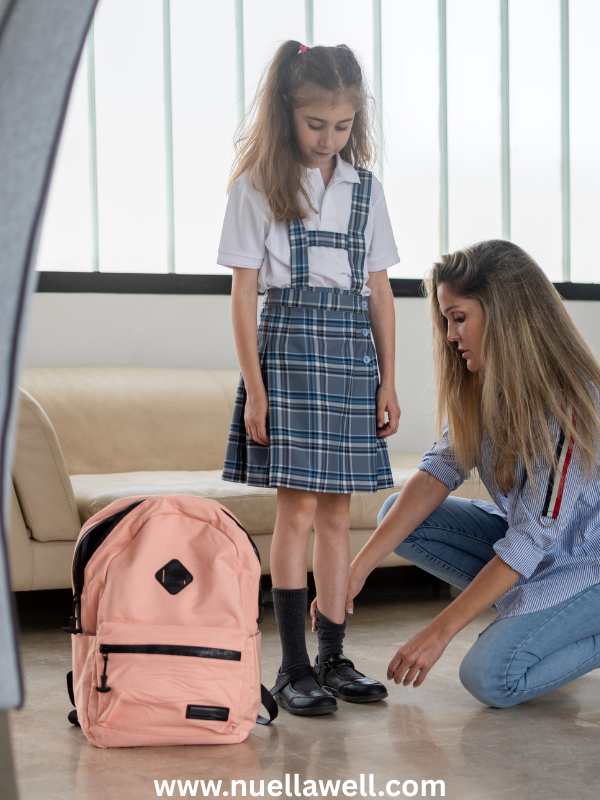
In this guide, we will explore how to make school mornings less stressful for busy moms, the common mistakes many families make without realizing it, practical strategies that can help mornings run more smoothly, and answers to some of the most frequently asked questions busy moms have about creating calmer school-day routines.
Some mornings seem to unravel before you have even had a chance to sit down.
One child can not find their school shoes. Another suddenly remembers a permission slip that is due today. Someone spills their breakfast, the lunchboxes are not packed, and you are trying to answer three questions at once while watching the clock.
By the time everyone finally gets out the door, you already feel exhausted.
If your school mornings often feel rushed, chaotic, or overwhelming, you are certainly not alone. Many busy moms describe the first hour of the day as the most stressful part of family life. It is a time when dozens of small responsibilities compete for your attention, leaving very little room to think, breathe, or simply enjoy the start of the day.

The encouraging news is that stressful school mornings are rarely caused by one big problem. More often, they are the result of several small habits, last-minute decisions, and routines that are not working as well as they could. The good news is that small, practical changes can make a remarkable difference over time.
As a pharmacist, I have seen how consistent daily routines can positively influence both children’s and parents’ well-being. Healthy habits such as getting enough sleep, preparing ahead, eating a balanced breakfast, staying hydrated, and reducing unnecessary stress all work together to support a smoother start to the day.
Remember, the goal is not to create perfect mornings. It’s to build realistic routines that help your family start each school day feeling a little calmer, a little more organized, and a lot less stressed.
10 Practical Strategies That Make School Mornings Less Stressful
Creating calmer school mornings is not about waking up hours earlier or following a perfect schedule. It is about putting simple systems in place that reduce unnecessary decisions and help your family know what to expect each day.
Here are ten practical strategies that can make a noticeable difference.
1. Prepare as Much as You Can the Night Before
One of the most effective ways to reduce morning stress is to move as many tasks as possible to the evening.
Before going to bed, try to:
- Pack backpacks
- Prepare lunchboxes if possible
- Lay out school clothes
- Fill reusable water bottles
- Check homework
- Place shoes by the door
Completing these small tasks the night before means fewer decisions and less rushing in the morning.
Our Back-to-School Survival Guide for Busy Moms includes even more preparation tips to help your family feel ready before the first school bell rings.
2. Wake Up 15–20 Minutes Earlier Than You Think You Need
Many families schedule their mornings so tightly that even a minor delay causes everyone to fall behind.
Waking up just 15 to 20 minutes earlier creates a small buffer for unexpected situations, whether that’s a spilled drink, a missing homework folder, or a child who needs a little extra encouragement to get ready.
Those extra minutes can make mornings feel much calmer without dramatically changing your schedule.
3. Create a Simple Morning Routine Everyone Can Follow
Children often feel more confident when they know exactly what comes next.
Instead of giving repeated verbal reminders, create a simple morning routine such as:
- Wake up
- Use the bathroom
- Get dressed
- Brush teeth
- Eat breakfast
- Pack lunch or water bottle if needed
- Put on shoes
- Grab backpack
- Leave for school
For younger children, consider using a visual routine chart with pictures. Older children may prefer a written checklist they can follow independently.
Preparing for easier mornings often starts the afternoon before. Our guide on After-School Routine for Busy Moms That Actually Works shares simple habits that help families stay organized from school pickup to bedtime.
4. Reduce the Number of Morning Decisions
Decision fatigue affects both adults and children.
Choosing outfits, deciding what to eat, searching for school supplies, and finding matching socks may seem like small tasks, but together they can make mornings feel exhausting.
Preparing clothes, planning breakfasts, and organizing school supplies in advance helps reduce unnecessary decision-making and keeps everyone focused on getting ready.
5. Encourage Age-Appropriate Independence
It’s natural to want to help your children, especially when time is limited. However, doing everything for them can increase your workload and make mornings more stressful.
Depending on their age, children can learn to:
- Make their bed
- Brush their teeth without reminders
- Pack their backpack
- Put dirty dishes in the sink
- Fill their own water bottle
- Check that they have everything they need before leaving
Teaching these small responsibilities not only lightens your mental load but also helps children develop confidence, responsibility, and important life skills.
6. Keep a Family Command Center
Having one central place for important family information can eliminate much of the last-minute confusion that often happens before school.
Your family command center doesn’t have to be elaborate. It could simply include:
- A weekly family calendar
- School schedules
- Permission slips
- A meal plan
- A to-do list
- Important reminders
When everyone knows where to find key information, you’re less likely to spend valuable time searching for it during busy mornings.
Combining a family command center with simple organization systems can make mornings even smoother.
7. Keep Breakfast Simple and Consistent
Breakfast does not need to be different every day to be healthy.
Choose a handful of quick, nutritious options that your family enjoys and rotate them throughout the week. Planning breakfast in advance helps reduce decision-making and makes mornings more predictable.
Simple meals such as overnight oats, yogurt with fruit, whole-grain toast with eggs, or oatmeal can be prepared quickly or partially prepared the night before.
Remember, consistency is more important than perfection.
8. Limit Morning Distractions
Television, mobile phones, and other distractions can easily slow down the morning routine.
Whenever possible, encourage everyone to focus on getting ready before turning on screens. This helps children stay on task and reduces the number of reminders you need to give.
Creating a calm, distraction-free environment often makes mornings feel more peaceful for the entire family.
9. Build in Time for the Unexpected
Even the best routines won’t prevent every surprise.
A missing library book, a spilled drink, or a child who wakes up feeling tired can quickly change the pace of the morning.
Instead of expecting everything to go perfectly, allow yourself a little extra time each day. Having a small buffer can help you respond calmly to unexpected situations instead of feeling rushed.
Flexibility is one of the most valuable parts of any successful routine.
10. Give Yourself Grace
Perhaps the most important strategy of all is to let go of the idea that every school morning has to be perfect.
Some mornings will run smoothly, while others may include forgotten homework, mismatched socks, or a last-minute search for a favorite water bottle. That doesn’t mean you’re failing as a parent.
As a busy mom, you are balancing countless responsibilities every single day. Celebrate the routines that are working, learn from the ones that aren’t, and remember that small improvements add up over time.
A calmer morning is not created by perfection, it is created by preparation, flexibility, and consistency.
Every school day is a fresh opportunity to build habits that help your family feel a little more organized, a little less stressed, and a little more confident as they head out the door.

Why School Mornings Feel So Stressful
If you have ever wondered why school mornings seem so much harder than they should be, you’re not imagining it. The challenge usually is not one major problem, it is a combination of many small tasks that all demand your attention at the same time.
Before the school day even begins, you may already be helping your children get dressed, preparing breakfast, packing lunches, checking homework, signing school forms, finding missing shoes, answering questions, feeding the family pet, and making sure everyone leaves the house on time. It’s a lot for anyone to manage.
One of the biggest reasons school mornings feel overwhelming is the mental load that many moms carry. Even when family members are helping, moms are often the ones remembering all the little details that keep the household running smoothly. You are not just preparing for today, you are also thinking about tomorrow’s school project, next week’s field trip, the upcoming doctor’s appointment, and whether there’s enough milk in the refrigerator.
Lack of preparation the night before can make mornings even more stressful. When backpacks are not packed, clothes have not been chosen, or lunches still need to be made, every decision has to happen under time pressure. Even a small delay can quickly affect the rest of the morning.
Sleep also plays an important role. Children who do not get enough sleep may be slower to wake up, less cooperative, or need more time to get ready. Parents who are running on too little sleep often find it harder to stay patient and make calm decisions during busy moments.
Another common challenge is trying to do too many things at once. Multitasking may seem like the quickest solution, but constantly switching between preparing breakfast, helping children, answering messages, and getting yourself ready can actually make mornings feel more rushed and mentally exhausting.
I often encourage families to think about routines as connected habits rather than separate tasks. When children get enough sleep, making school mornings less stressful becomes easier. If backpacks are packed the night before, there’s less rushing. When breakfast is planned ahead, there are fewer last-minute decisions. Small routines build on one another, creating a smoother start to the day.

Common School Morning Mistakes Parents Make
Busy school mornings do not usually become stressful because parents are not trying hard enough. More often, they are the result of small habits that seem harmless on their own but create unnecessary pressure when combined.
Recognizing these common mistakes is the first step toward making school mornings less stressful
1. Waiting Until Morning to Prepare Everything
One of the biggest sources of morning stress is leaving too many tasks until after everyone wakes up.
Packing lunches, signing school forms, choosing outfits, searching for homework, and filling water bottles all take time. When these jobs are left until the morning, even a small delay can quickly throw off the entire schedule.
Preparing just a few things the night before can make mornings feel much calmer.
If you are looking for more ideas, our 15 Back-to-School Organization Tips for Busy Moms shares simple systems that make preparing the night before much easier.
2. Trying to Do Everything Yourself
Many moms naturally take on the responsibility of making sure everyone is ready for school.
While it’s understandable, doing everything yourself can quickly become overwhelming.
Children can often help with age-appropriate tasks such as:
- Packing their backpacks
- Choosing their clothes
- Putting on their shoes
- Checking their homework
- Filling their water bottles
Sharing responsibilities helps children become more independent while reducing your mental load
3. Underestimating How Much Time the Morning Really Takes
Many families unintentionally create stress by planning mornings too tightly.
If everyone needs to leave at 7:45 a.m., but your routine realistically takes an hour, waking everyone at 7:00 a.m. leaves very little room for unexpected delays.
Adding even an extra 10–15 minutes to your morning schedule can reduce the feeling of constantly rushing.
4. Skipping Breakfast to Save Time
Creating a simple morning routine often makes it easier to fit breakfast into even the busiest mornings.
When mornings feel hectic, breakfast is often one of the first things to be sacrificed.
Although this may seem like a time-saver, it can leave children feeling hungry before lunchtime and may make the morning feel even more rushed.
A balanced breakfast can help children start the school day feeling ready to learn and stay active.
Planning quick, nutritious breakfasts ahead of time can make eating before school much easier.
5. Expecting Every Morning to Be Perfect
Social media often shows perfectly organized kitchens, matching lunchboxes, and smiling children who seem ready for school without any effort.
Real family life rarely looks like that.
Some mornings will include forgotten homework, misplaced shoes, or spilled drinks, and that’s perfectly normal.
The goal isn’t perfection. It’s creating routines that make stressful mornings happen less often and feel easier to manage when they do.
The good news is that every one of these mistakes can be improved with small, realistic changes. You don’t need to completely redesign your family’s mornings. Simple routines, a little preparation, and realistic expectations can make a remarkable difference over time.
Let’s look at practical strategies that can help make school mornings calmer, smoother, and less stressful for the whole family.

Frequently Asked Questions About School Mornings
How early should my child wake up before school?
There’s no single wake-up time that works for every child because it depends on factors such as age, school start time, travel time, and your family’s morning routine.
A helpful approach is to work backwards from the time you need to leave the house. Allow enough time for your child to wake up, get dressed, brush their teeth, eat breakfast, and gather everything they need without feeling rushed. If mornings consistently feel stressful, consider waking everyone up 10 to 15 minutes earlier to create a little extra breathing room.
What should I prepare the night before school?
Preparing ahead can significantly reduce morning stress.
Some of the most helpful tasks include:
- Packing backpacks
- Preparing lunchboxes where possible
- Laying out school clothes
- Filling reusable water bottles
- Checking homework
- Signing school forms
- Placing shoes, coats, and school bags by the door
Even completing just a few of these tasks can make mornings feel much calmer.
What if my child refuses to get ready in the morning?
Children may resist getting ready for many reasons, including tiredness, feeling rushed, wanting more independence, or simply being distracted.
Instead of repeating instructions over and over, try using a consistent morning routine, offering simple choices such as choosing between two outfits, and praising co-operation when your child completes tasks independently. Staying calm and keeping routines predictable often works better than increasing the pressure.
How can I stop yelling during school mornings?
Many parents raise their voices because they are overwhelmed, not because they want to.
One of the best ways to reduce yelling is to reduce the situations that trigger it. Preparing the night before, allowing extra time, using checklists, and encouraging children to take on age-appropriate responsibilities can all help create a calmer environment.
Remember, changing routines takes time. Be patient with yourself as well as your children.
Should children eat breakfast before school?
For many children, breakfast can be an important part of a healthy morning routine. A balanced meal that includes a combination of whole grains, protein, healthy fats, and fruit can help provide energy for the morning ahead.
If your child is not hungry immediately after waking, try offering a lighter breakfast or allowing a little extra time before eating. If you have concerns about your child’s appetite, growth, or nutritional needs, speak with your pediatrician or another qualified healthcare professional.
How can I help my child become more independent in the morning?
Building independence starts with giving children responsibilities that match their age and abilities.
Younger children might put on their shoes, brush their teeth, or place their lunchbox in their backpack. Older children can prepare their clothes the night before, pack their own school bag, and check that they have everything they need before leaving the house.
Teaching these habits gradually not only builds confidence but also helps reduce the mental load that many busy moms carry every morning.
A Pharmacist’s Perspective: Small Routines Can Make a Big Difference
As a pharmacist, one thing I have learned is that good health is rarely built on one big habit. Instead, it is usually the result of many small routines working together consistently.
School mornings are a great example of this.
When families are constantly rushing, it is often the healthy habits that get pushed aside first. Breakfast is skipped, water bottles are forgotten, medications are taken late or missed, and everyone starts the day feeling stressed and unprepared.
While occasional hectic mornings are a normal part of family life, making them the daily routine can leave both parents and children feeling mentally and physically drained.
One question parents often ask is whether being rushed can really affect their child’s well-being. Although every child is different, stress can influence mood, patience, and how smoothly the morning unfolds. Creating a calmer routine is not just about getting to school on time, it is about helping the whole family begin the day feeling more settled.
If your child takes medication before school, try to make it part of the same morning routine each day. Some medicines need to be taken with food, while others may have different instructions. Always follow the directions on the prescription label or the advice given by your pharmacist or healthcare provider. If you are ever unsure about when or how a medicine should be taken, do not hesitate to ask.
Hydration is another habit that is easy to overlook. Encouraging your child to drink water before leaving home and packing a reusable water bottle for school can help support healthy daily habits throughout the day.
As moms, it is also important to remember that your health matters too. Many parents spend so much time making sure everyone else is ready that they forget to take their own medication, eat breakfast, or pause for even a few minutes. Looking after yourself is not selfish, it’s an important part of caring for your family.
From my professional perspective, the families who experience the least stressful mornings are not necessarily the ones with perfect schedules. They are usually the ones who have created simple, repeatable routines that everyone understands and can follow.
Remember, your goal is not to eliminate every challenge. It is to build routines that make challenges easier to handle when they arise and to make school mornings less stressful . Over time, those small, consistent habits can make a meaningful difference to your family’s health, well-being, and peace of mind.
A Real-Life Example
Imagine a busy mom named Jessica.
Jessica has two school-aged children and works part-time. Almost every weekday started the same way. One child could not find their shoes, the other was still getting dressed, breakfast was rushed, and someone always remembered a permission slip or homework assignment just as they were about to leave the house.
By the time they got into the car, Jessica already felt overwhelmed. She often arrived back home exhausted, even though her workday had barely begun.
Instead of trying to completely change their mornings overnight, Jessica focused on making one small improvement each week.
During the first week, she asked her children to choose their clothes and pack their backpacks every evening.
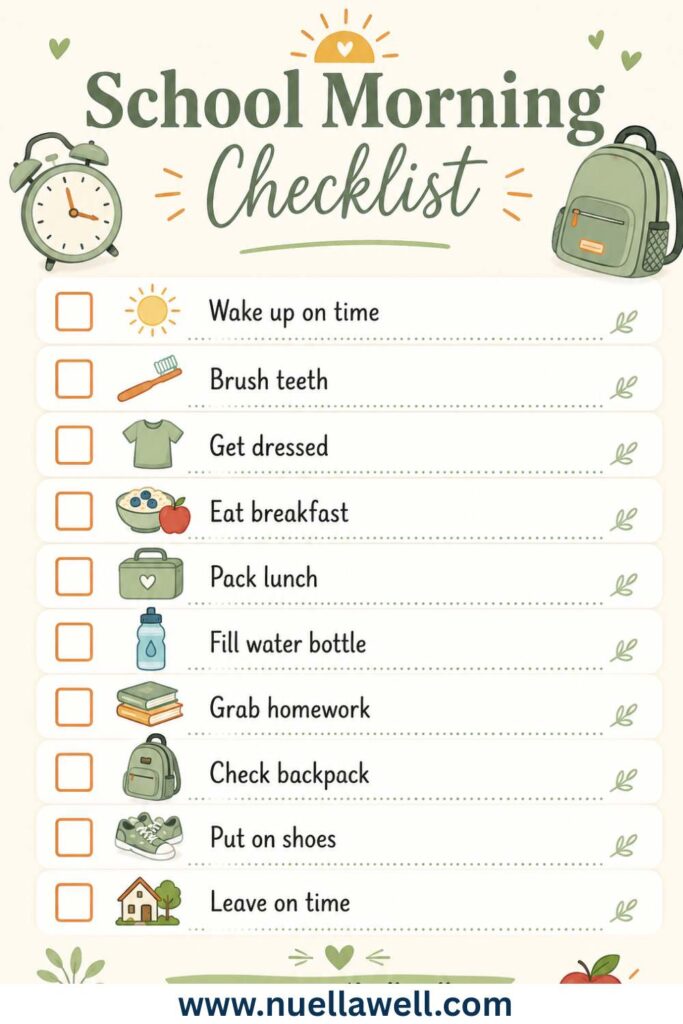
The following week, she created a simple morning checklist and placed it on the refrigerator so everyone knew what needed to be done before leaving for school.
A week later, she started preparing lunches the night before and set a reminder on her phone to review the family calendar every Sunday evening.
She also encouraged her children to take on more responsibility. Her oldest packed their own backpack and filled their water bottle each night, while her youngest learned to put on shoes and check the morning checklist independently.
The changes were not dramatic at first, and there were still mornings when someone misplaced a library book or spilled a drink. But because the family had simple routines to fall back on, those unexpected moments no longer turned into complete chaos.
After a month, Jessica noticed something surprising. The biggest change was not that everything was perfectly organized, it was that everyone felt calmer. There was less shouting, fewer last-minute surprises, and more confidence that they could handle whatever the morning brought.
Her experience is a reminder that making school mornings less stressful does not require a complete lifestyle overhaul. Small, consistent habits, practiced every day,can gradually transform even the busiest mornings into routines that feel calmer, more organized, and much easier to manage.
Key Takeaways
- School mornings often become stressful because of many small tasks happening at the same time, not because you’re doing something wrong.
- Preparing the night before can significantly reduce last-minute rushing and decision-making.
- Creating a consistent morning routine helps children know what to expect and encourages independence.
- Small changes, such as laying out clothes, packing backpacks, and planning breakfast ahead, can make mornings run more smoothly.
- Giving children age-appropriate responsibilities helps reduce the mental load on busy moms while building their confidence and independence.
- Limiting distractions like television and mobile devices can help everyone stay focused on getting ready for school.
- Building extra time into your morning routine allows you to handle unexpected situations without feeling overwhelmed.
- Healthy habits such as adequate sleep, eating breakfast, staying hydrated, and following consistent routines all work together to support a calmer start to the day.
- Progress is more important than perfection. Focus on creating routines that work for your family’s unique needs rather than trying to achieve flawless mornings.

Conclusion
Start with one small habit that feels realistic for your family. It might be packing backpacks the night before, creating a simple morning checklist, preparing breakfast in advance, or asking your children to take on one new responsibility. Once that habit becomes part of your routine, you can build on it with another.
Over time, these small changes can reduce stress, lighten your mental load, and help your family begin each school day feeling more organized and confident.
As a pharmacist, I have learned that healthy routines are built through consistency, not perfection. The same principle applies to making school mornings less stressful. There will still be days when things do not go as planned, and that’s okay. What matters most is having simple systems that help your family recover quickly and keep moving forward.
Remember, a calm morning does not mean a perfect morning. It means creating an environment where everyone feels prepared, supported, and ready to take on the day.
If you are preparing for the new school year, these guides can help you build even stronger routines for your family:
- How to Reset Your Child’s Sleep Schedule Before School Starts
- 15 Back-to-School Organization Tips for Busy Moms
- Back-to-School Survival Guide for Busy Moms
I’d love to hear from you. What is the biggest challenge your family faces during school mornings? Do you have a routine or time-saving tip that has made a real difference? Share your experience in the comments, your idea might be exactly what another busy mom needs to read today.
Disclaimer
As a pharmacist, I share evidence-based health and wellness information for educational purposes only. This content is not intended to replace professional medical advice, diagnosis, or treatment. Always consult your healthcare provider regarding any questions about your health, medications, or well-being.