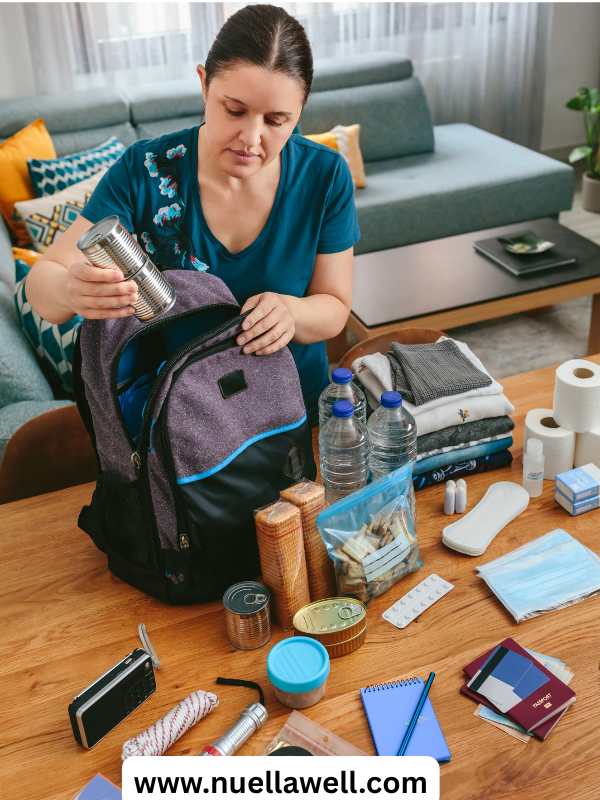
This back-to-school medication checklist will help you organize the important details before classes begin. As a pharmacist, I created this guide to help busy moms prepare their child’s medicine, communicate clearly with school staff, and reduce avoidable medication mistakes.
Getting ready for a new school term usually means buying supplies, arranging uniforms, planning lunches, and trying to make mornings less stressful. But when your child needs medicine during school hours, there is another important task to add to your list.
Schools may have specific rules about medication forms, storage, packaging, emergency plans, and who is allowed to give the medicine. Leaving these arrangements until the first day of school can lead to unnecessary stress, delays, and confusion.
Because school requirements differ between countries, regions, school districts, and individual schools, always contact your child’s school and confirm its current medication policy.
You can also read our back-to-school preparation tips for busy moms to make the transition easier.
Back-to-School Medication Checklist
1. Check the School’s Medication Policy Before the Term Begins
Do not assume that every school follows the same medication procedure.
Some schools may require written permission from a parent or guardian. Others may also request a healthcare professional’s authorization before staff can administer prescription or non-prescription medicine.
Contact the school office, school nurse, or designated staff member and ask:
- Who receives medicines from parents?
- Where are medicines stored?
- Which forms must be completed?
- Is a doctor’s or prescriber’s authorization required?
- Can a child carry or use their own medicine?
- What happens during school trips, sports, clubs, and after-school care?
- Who should be contacted when the medicine is running low?
- How will parents be informed when a dose has been given?
Schools may require medicines to be provided in their original labelled containers and may request written instructions before administering them. Checking these requirements early gives you time to collect forms and contact your child’s healthcare professional if necessary.
The American Academy of Pediatrics provides additional guidance for parents about medication administration in childcare and school settings.

Preparing for a new school year involves more than medication planning. Read our guide on 15 Back-to-School Organization Tips for Busy Moms for more practical ways to reduce school-year stress.
2. Review Your Child’s Current Medicines
Before sending any medicine to school, review everything your child currently takes.
This includes:
- Prescription medicines
- Over-the-counter medicines
- Inhalers
- Allergy medicines
- Emergency medicines
- Creams or ointments
- Vitamins or supplements, when relevant
Check that the medicine, strength, directions, and timing still match the current instructions from your child’s healthcare professional.
Look at the pharmacy label and confirm:
- Your child’s correct name
- The medicine name
- The strength
- The directions
- The dispensing date
- The prescriber’s name, when listed
- Storage instructions
- The expiry date
Contact your pharmacist or prescriber if anything appears unclear, outdated, or different from the instructions you were previously given.
Do not send an old medicine to school simply because it was used during the previous school year. The treatment, strength, product, or instructions may have changed.
Many medication errors happen because of rushed routines or unclear communication between caregivers. Read our pharmacist guide on common medication mistakes moms make and how to avoid them.
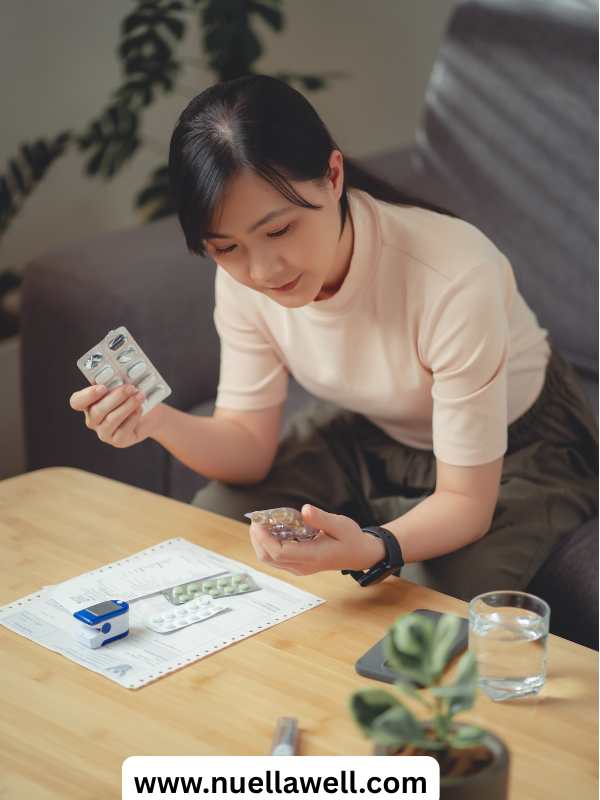
3. Complete All Required Forms
School medication forms can be easy to overlook when you are also dealing with enrollment documents, uniforms, transport arrangements, and supply lists.
Ask for the required forms several weeks before school begins, where possible.
Depending on the school and your child’s needs, you may be asked to complete:
- A parent or guardian authorization form
- A healthcare professional’s medication order
- An emergency care plan
- An asthma action plan
- An allergy or anaphylaxis action plan
- A seizure care plan
- A diabetes management plan
- A self-carry or self-administration form
- A field-trip medication form
Do not assume that last year’s form is still valid. Some schools require new documentation at the beginning of every school year or whenever the medicine or instructions change.
Keep a copy of every completed form for your own records.
4. Keep Medicines in Their Original Labelled Containers
Never send medicine to school in an unlabelled bottle, plastic bag, envelope, lunch container, or pill organizer unless the school and dispensing pharmacist have specifically approved an alternative arrangement.
The American Academy of Pediatrics advises parents to keep medicines in their original containers and not send them to school in bags, envelopes, foil, or unlabelled bottles. The label should clearly identify the child, medicine, directions, prescriber, and expiry information.
Original packaging is important because it helps school staff identify:
- Who the medicine belongs to
- What the medicine is
- How it should be given
- When it should be given
- How it should be stored
- Whether it has expired
Keeping medicine in its original packaging also reduces the risk of different products being mixed up.
Check that the pharmacy label is readable and securely attached. Contact your pharmacy if the label is damaged, faded, or no longer matches the current directions.
5. Check the Expiry Date and Condition of the Medicine
Before handing medicine over to the school, check the expiry date shown on the label or packaging.
Also examine the product for:
- Damaged packaging
- A broken seal
- Leaking liquid
- Discoloration
- An unusual smell
- Missing instructions
- A damaged inhaler
- An empty or nearly empty inhaler dose counter
- A missing measuring device
Do not use or send expired medicine to school. Medicines may also have specific storage requirements, such as being kept below a certain temperature, protected from light, or refrigerated. Always follow the product label and ask your pharmacist when you are unsure.
Keeping family health supplies organized can reduce stress during busy seasons. You may also like our guide on healthy habits for busy moms.
Some products have a shorter period of use after they are opened. Write the opening date on the packaging when your pharmacist or product instructions recommend doing so.
Before school starts, check your supplies to prepare your child’s medicines safely with family medicine organization for busy moms.
6. Provide the Correct Measuring Device for Liquid Medicine
When a liquid medicine is needed at school, ask whether the school requires you to provide its measuring device.
Use the device supplied with the medicine or one recommended by your pharmacist, such as:
- An oral syringe
- A medicine spoon
- A marked dosing cup
Do not use an ordinary kitchen spoon. Household spoons vary in size and may not measure medicine accurately. The FDA recommends using an appropriately marked dosing device rather than a household spoon.
Do not exchange measuring devices between different products. The markings and medicine concentrations may differ. Use the device intended for that particular product unless your pharmacist advises otherwise.
7. Prepare a Clear Medication Information Sheet
Even when the school has its own forms, a simple one-page information sheet can help you organize the details you need.
Include:
- Your child’s full name
- Date of birth
- Class or grade
- Medicine name
- Medicine strength
- Reason it is used
- Dose and timing exactly as written on the label
- Method of administration
- Storage instructions
- Relevant allergies
- Parent or guardian contact numbers
- Prescriber’s contact details
- Pharmacy contact details
- Emergency contact
- What staff should do if the child refuses or misses a dose
- What staff should do if the child becomes unwell
Make sure this information matches the pharmacy label and official school forms.
Creating simple systems can make family responsibilities feel less overwhelming. Our guide on how to reduce mental load as a mom may also help.
Do not add your own dosing changes or verbal instructions that conflict with the prescription label. Contact the prescriber and pharmacy if an official change is needed.
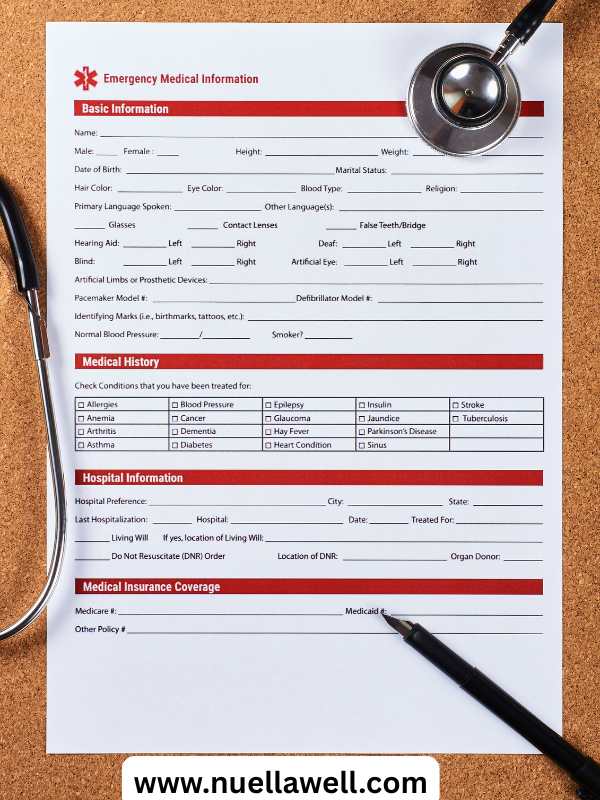
8. Plan for Emergency Medicines
Children with asthma, severe allergies, diabetes, epilepsy, or other medical conditions may need quick access to emergency medicine or medical devices.
Ask the school:
- Where will the emergency medicine be stored?
- Which staff members know how to access it?
- Is it available during lunch, sports, and outdoor activities?
- Will it accompany the child on field trips?
- What is the school’s emergency procedure?
- Can the child carry the medicine when appropriate and permitted?
- How will substitute teachers or temporary staff receive the necessary information?
For children with asthma, parents should ask how medicines will be accessed during emergencies, field trips, and after-school activities.
An action plan may also explain the child’s warning signs, medicine instructions, and when emergency help is needed.
Do not assume that keeping an emergency medicine in the main office is suitable for every child. Discuss access with the school and your child’s healthcare professional.
9. Think Beyond the Regular Classroom
A medicine plan should cover the entire school day, not just classroom hours.
Consider what happens during:
- The journey to and from school
- Breakfast clubs
- Lunch breaks
- Physical education
- Sports practice
- School trips
- Outdoor learning
- After-school clubs
- School camps
- Childcare before or after school
Ask who will carry the medicine and who is responsible for it during each activity.
For trips away from school, confirm whether an additional form, labelled supply, or trained staff member is required.
10. Teach Your Child Age-Appropriate Medication Safety
Your child does not need to understand every medical detail, but they should know enough to ask for help safely.
Depending on their age and maturity, teach them:
- The name of their medicine
- Why they take it
- When they normally need it
- Which adult to approach
- Never to share medicine with another child
- Never to take someone else’s medicine
- To tell an adult if they feel unwell
- To speak up if a medicine looks different
- Not to keep medicine hidden in a school bag without permission
Avoid describing medicine as sweets or candy. Children should understand that medicine is only taken under the direction of a responsible adult or according to an agreed self-administration plan.
Make the conversation calm rather than frightening. The goal is to help your child feel informed and confident.
11. Prevent Double Dosing Between Home and School
Busy mornings can make it difficult to remember whether a medicine was already given at home.
A clear communication system helps prevent the same medicine from being given again at school by mistake.
You might use:
- A paper medication log
- A family whiteboard
- A secure medication-tracking app
- A written note required by the school
- A morning message to the designated staff member
- A shared caregiver checklist
Record:
- The medicine given
- The time it was given
- The person who gave it
- Any important observation
Healthdirect advises recording medicines given to children and the time they were administered.
Choose one reliable system and make sure every caregiver uses it consistently.

12. Arrange Refills Before the Medicine Runs Out
Do not wait until the school has only one dose remaining before requesting a refill.
Check:
- How much medicine the school has
- How quickly your pharmacy can prepare a refill
- Whether a new prescription is needed
- Whether the medicine will expire during the school term
- Whether the school will notify you when supplies are low
Add refill reminders to your calendar a few days or weeks before the expected supply runs out, depending on local prescription requirements.
Also ask what happens to unused or expired medicine. Schools may require a parent or guardian to collect it rather than allowing staff to discard it.
Creating organized routines can also help busy moms manage everyday responsibilities. Read our guide on simple daily routines for busy moms with kids.
13. Update the School Whenever Something Changes
Tell the school promptly if:
- The medicine is stopped
- The dose or timing changes
- A new medicine is started
- The product or strength changes
- Your child develops a new allergy
- Storage instructions change
- The emergency plan changes
- Your contact information changes
- The prescriber or pharmacy changes
The school may require written confirmation or a new authorization form before following updated instructions.
Do not rely only on a message passed through your child. Communicate directly with the appropriate staff member and keep a record of the update.
14. Ask for Feedback During the School Term
Medication preparation should not end once the medicine reaches the school.
Check in occasionally and ask:
- Has the medicine been needed?
- Have any doses been missed?
- Has my child refused a dose?
- Have staff noticed any problems?
- Is the medicine supply running low?
- Is the packaging still clear and undamaged?
- Are new forms needed for upcoming trips?
- Has the school’s policy changed?
For ongoing conditions, communication between families, healthcare professionals, and school staff can help identify changes or difficulties earlier.
Printable Back-to-School Medication Checklist
Use this back-to-school medication checklist before the first day of school:
School requirements
☐ I contacted the school about its medication policy.
☐ I know which staff member manages medicines.
☐ I collected all required forms.
☐ I confirmed whether a prescriber’s authorization is required.
☐ I checked the rules for self-carrying or self-administering medicine.
☐ I asked about field trips, sports, and after-school activities.
Medicine preparation
☐ The medicine and directions are current.
☐ The pharmacy label is clear and readable.
☐ The medicine is in its original container.
☐ The child’s name is correct.
☐ The medicine has not expired.
☐ I checked the storage instructions.
☐ I included the correct measuring device, if needed.
☐ The medicine supply is sufficient.
Information and communication
☐ I completed the parent authorization form.
☐ The required healthcare professional forms are complete.
☐ I provided emergency contact details.
☐ I provided allergy and medical-condition information.
☐ I kept copies of every form.
☐ I created a system to record doses given at home.
☐ I know how the school will record doses.
☐ My child knows which adult to approach.
Emergency planning
☐ Emergency medicine will be easy to access.
☐ Relevant staff know the emergency plan.
☐ The medicine will be available during trips and activities.
☐ The emergency medicine is in date and in good condition.
☐ My child understands basic medicine safety.
A Pharmacist’s Perspective
As a pharmacist, I understand that medication routines can become difficult to manage when several people are involved in a child’s care. A parent may give a morning dose, another caregiver may handle school drop-off, and school staff may be responsible for medicine later in the day.
Without clear communication, small misunderstandings can lead to missed doses, repeated doses, or incorrect instructions. And that is why this back-to-school medication checklist is very important.
One of the most important steps parents can take is to create a simple and consistent medication system. Everyone involved should know what medicine the child takes, when it should be given, who is responsible for giving it, and where the administration time is recorded.
Never rely on memory alone, especially during busy school mornings. Use a written medication log, school record, shared caregiver note, or another secure system that works for your family.
Parents should also avoid making changes to a medicine before speaking with the child’s doctor, pharmacist, or prescriber. This includes changing the timing, stopping the medicine, crushing tablets, mixing it with food, or sending a different product to school.
Another common concern is assuming that two products are the same because they have similar packaging or brand names. Always check the active ingredient, strength, dosage form, and directions. Ask your pharmacist when you are uncertain.
Good medication preparation is not about creating a complicated routine. It is about making the instructions clear enough that every responsible adult can follow them safely.
Frequently Asked Questions
Can I send my child’s medicine to school in a pill organizer?
Many schools require medicine to remain in its original pharmacy-labelled or manufacturer-labelled container. Do not transfer medicine into a pill organizer, plastic bag, envelope, or unlabelled container unless the school has specifically approved it. Contact the school before sending the medicine.
Does the school need a doctor’s note before giving medicine?
Requirements vary between schools and locations. Some schools may accept written permission from a parent, while others may also require authorization from a doctor or another authorized prescriber. Ask the school for its current forms and instructions.
Can my child carry their own inhaler or emergency medicine?
This depends on the child’s age, ability, medical needs, local regulations, and school policy. The school may require a healthcare professional’s authorization and a self-carry or self-administration plan. Discuss this with the school and your child’s healthcare professional.
What should I do if my child’s medicine changes during the school year?
Inform the school promptly. You may need to provide a new labelled supply, updated written instructions, and new authorization forms. Do not ask school staff to follow changed verbal instructions that do not match the medicine label or school documentation.
Can school staff give over-the-counter medicine?
Some schools may administer certain over-the-counter medicines with written parental permission. Others may require authorization from a healthcare professional or may not administer them at all. Check the school policy before sending any non-prescription medicine.
What happens if my child misses a dose at school?
The correct response depends on the medicine and its instructions. School staff should follow the written medication plan and contact the appropriate person when required. Parents should not automatically tell staff to give a missed dose later without confirming the correct action with a pharmacist, doctor, or prescriber.
How can I prevent my child from receiving the same dose at home and school?
Use one consistent medication record. Write down the medicine name, dose, administration time, and the person who gave it. Make sure parents, caregivers, and school staff understand how updates will be communicated.
Should I send an extra supply of medicine to school?
Ask the school how much medicine it accepts and how it stores additional supplies. Some schools may prefer a limited supply, while others may request enough for a set period. Check expiry dates and keep track of when a refill will be needed.
What should I do with medicine left at school at the end of the term?
Ask the school about its collection procedure. Many schools require a parent or guardian to collect unused medicine. Do not assume that school staff will store it during long holidays or dispose of it.
Does the school need to know about vitamins and supplements?
Tell the school about any product your child may need during school hours. Vitamins, herbal products, and supplements can still have instructions, side effects, storage requirements, or possible interactions. The school may apply the same authorization rules used for other products.
Should my child know the name of their medicine?
When appropriate for their age and understanding, children should know the medicine’s name, why they take it, and which trusted adult to approach. They should also understand that medicines must never be shared with friends.
When should I speak with a pharmacist?
Contact a pharmacist when you have questions about the label, measuring device, storage instructions, expiry date, possible side effects, active ingredients, or how the medicine should be taken. For treatment changes or questions about your child’s condition, the pharmacist may also recommend contacting the prescriber.
Key Takeaways
- Contact your child’s school before the term begins and request its current medication policy.
- Complete all required parent, school, and healthcare professional forms early.
- Send medicine in its original, clearly labelled container.
- Check the medicine’s expiry date, condition, strength, and storage instructions.
- Provide the correct measuring device for liquid medicine when required.
- Create a clear system for recording doses given at home and school.
- Make sure emergency medicines are accessible during classes, trips, sports, and after-school activities.
- Teach your child basic medication safety in a calm, age-appropriate way.
- Update the school whenever the medicine, instructions, allergies, or emergency plan changes.
- Contact your child’s doctor, pharmacist, prescriber, or school health professional when anything is unclear.
Conclusion
Preparing medicine for school may feel like one more responsibility on an already long back-to-school list. But a little organization before the term begins can prevent confusion and make the school day safer and less stressful.
Start by contacting the school, reviewing your child’s current medicine, completing the required forms, and checking every label and expiry date. Create a simple communication system so that parents, caregivers, and school staff know when medicine has been given.
Most importantly, remember that school medication policies vary. Always follow your child’s current prescription instructions and confirm the exact requirements with the school, pharmacist, prescriber, or school health professional.
A clear plan gives everyone more confidence, including you, your child, and the adults responsible for supporting them during the school day.
Contacting the school early gives you enough time to request updated prescriptions, complete forms, speak with your pharmacist, and clarify any confusing instructions.
It can also reduce last-minute stress on the first day of school.
Busy-mom tip: Save the school nurse’s or designated staff member’s contact details in your phone. This makes it easier to report changes, ask questions, or check whether the medicine supply needs to be replaced.
For more ways to prepare for the new term, read our Back-to-School Survival Guide for Busy Moms.
Disclaimer
As a pharmacist, I share evidence-based health and wellness information for educational purposes only. This content is not intended to replace professional medical advice, diagnosis, or treatment. Always consult your healthcare provider regarding any questions about your health, medications, or well-being.