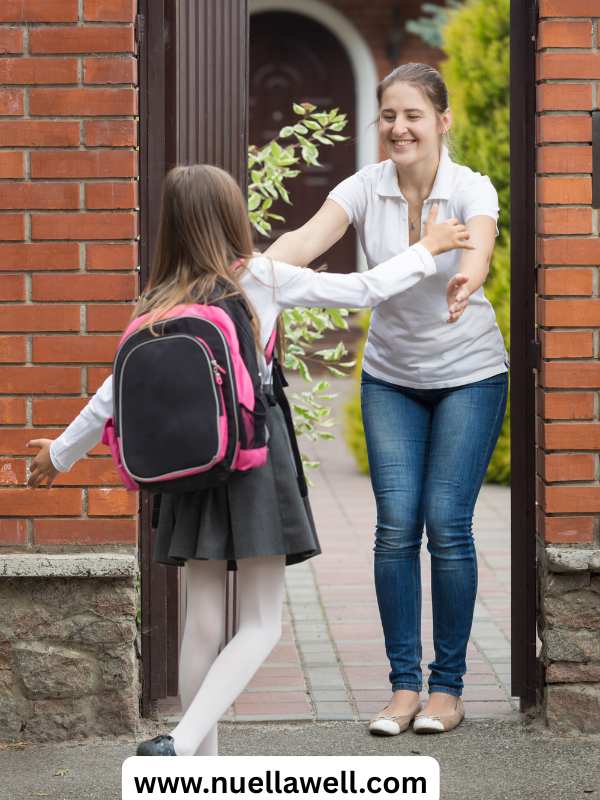
In this guide, we will explore a practical after-school routine that helps children settle in, supports their independence, and gives moms more breathing room during one of the most demanding parts of the day.
The moment your child walks through the door after school can feel like the busiest part of the day. One minute you are welcoming them home, and the next you are trying to manage hungry kids, homework questions, unfinished tasks, dinner preparation, and the endless list of things that need to happen before bedtime.
For many busy moms, the hours between school ending and bedtime can feel overwhelming. Children may come home tired, hungry, emotional, or needing time to relax after a long day. At the same time, moms are often trying to switch between work responsibilities, household tasks, and caring for everyone’s needs.
The good news is that your after-school hours do not have to feel chaotic every day. A simple, realistic after-school routine can create more calm, reduce daily stress, and help both you and your children transition from school mode to home life.
An effective after-school routine is not about creating a strict schedule where every minute is planned. It is about building a few predictable habits that make afternoons easier. Small steps like putting school bags away, having a regular snack time, creating a homework rhythm, and preparing for the next school day can make a noticeable difference.
A Mom Wellness Perspective: Why an After-School Routine Matters
The after-school hours are often overlooked when families think about daily routines. Most attention goes toward busy mornings, getting everyone out the door on time, and creating a smooth bedtime. However, the transition between school and evening can have a major impact on the mood of the entire household.
From a mom wellness perspective, an after-school routine is not just about keeping children organized. It is also about reducing the mental load and emotional pressure that many mothers carry during this part of the day.
Without a predictable routine, small tasks can quickly pile up. A child may need help finding homework materials, someone may be asking what is for dinner, school bags may be left everywhere, and important reminders for the next day may be forgotten. When these things happen repeatedly, moms can feel like they are constantly reacting instead of calmly guiding the day.
A simple routine creates a sense of structure for everyone. Children know what happens after they come home, and moms spend less energy making the same decisions every afternoon.

For moms, this routine can also protect personal energy. When children know what comes next, there may be fewer repeated reminders, fewer last-minute searches for missing items, and less decision-making during an already busy part of the day. Consistent routines and responsive relationships are considered important parts of healthy child development.
Practical After-School Routine That Actually Works for Busy Moms
1. Create a Calm Transition From School to Home
The first few minutes after your child arrives home can set the tone for the entire evening. After spending several hours at school following instructions, completing tasks, and managing social interactions, many children need a gentle transition before moving into homework, chores, or other responsibilities.
Children can experience emotional and behavioral changes after a demanding day, and supportive transitions can help them adjust between environments.
A common mistake is expecting children to immediately switch from school mode into productive mode. While some children can come home and start homework right away, others need a short period to relax, reconnect, and recharge.
Creating a daily predictable routines can help children and parents move through the day with less stress. It is about establishing a simple pattern that your child recognizes every day.
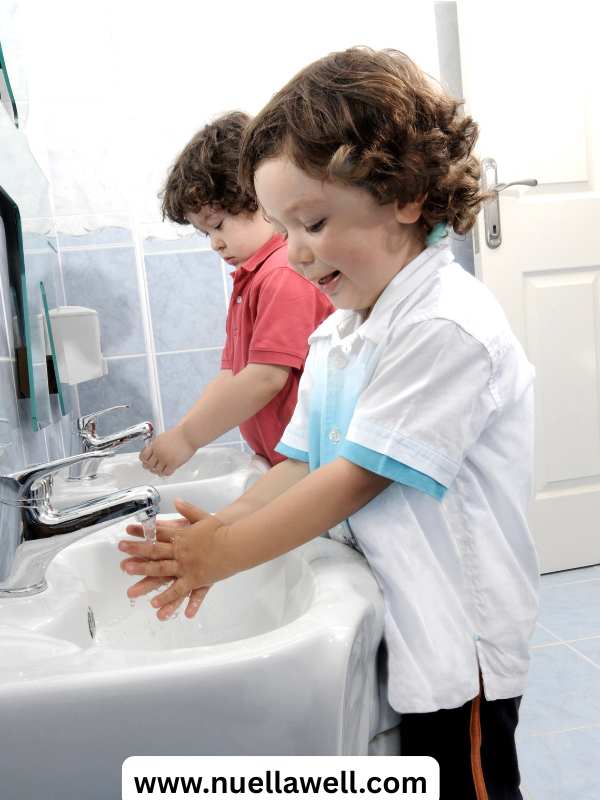
A helpful after-school transition may look like this:
- Greeting your child warmly when they arrive home
- Allowing them a few quiet minutes to settle
- Helping them put their shoes, backpack, and school items in their usual place
- Encouraging hand washing and changing into comfortable clothes
- Offering a snack and water
- Asking about their day without immediately focusing on homework or tasks
Small habits like these help children understand that home is a place where they can relax and feel supported after a busy school day.
Avoid Turning the First Few Minutes Into a Checklist
Many moms naturally want to ask several questions as soon as their child walks through the door:
“Did you finish your homework?”
“Did you remember your lunchbox?”
“Do you have anything important tomorrow?”
While these questions are helpful, asking too many things immediately can make the transition feel stressful for both parent and child.
Instead, start with connection.
A simple question such as:
“What was the best part of your day?”
or:
“Was there anything interesting that happened today?”
can encourage conversation without making your child feel like they are being questioned.
Once your child has had time to settle, you can move into the practical parts of the afternoon, such as homework, preparing school items, and planning for tomorrow.
Create a Consistent “Coming Home” Routine
Children often respond well to routines because they know what to expect. Your routine does not need to be identical every day, but having a general pattern can make afternoons smoother.
For example:
- Come home and put school items away.
- Have a snack and drink water.
- Take a short break.
- Complete homework or important tasks.
- Enjoy free time before dinner.
- Begin the evening routine.
The order can be adjusted depending on your child’s age, school workload, and family schedule.
The most important thing is consistency. When the same steps happen regularly, children gradually learn to manage them with less help.
Make the Routine Work for Your Family
Every family has different schedules. Some parents work outside the home, some work remotely, and some manage multiple children with different activities.
Do not compare your after-school routine with someone else’s online. A routine that looks simple and beautiful on social media may not match your family’s actual needs.
Your goal is not a picture-perfect afternoon. Your goal is a routine that reduces stress and helps your family move through the evening with more calm.
A successful after-school routine should give your child time to recover from the school day while also helping your household stay organized.
2. Create a Simple Snack and Hydration Routine
After a long school day, many children come home feeling hungry, thirsty, or low on energy. Before asking them to focus on homework, chores, or other responsibilities, it helps to meet their basic needs first.
A consistent snack and hydration routine can make the transition from school to home much smoother. It gives children a chance to recharge while creating a predictable moment in the afternoon.
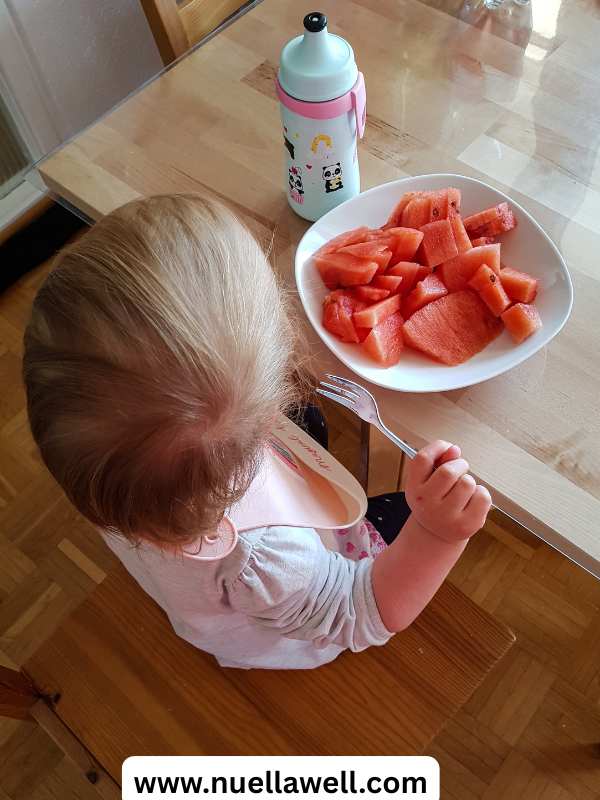
The goal is not to prepare complicated snacks every day but to make a healthy snack for kids and busy moms. Busy moms need realistic options that fit into everyday life.
Prepare Simple Snacks That Keep Kids Satisfied
A good after-school snack should be practical, easy to prepare, and suitable for your child’s needs.
Some simple ideas include:
- Fresh fruit with yogurt
- Whole-grain crackers with cheese
- Vegetable sticks with a suitable dip
- Peanut butter or nut butter with fruit, if appropriate for your child
- Homemade snack bars
- A smoothie
- A small sandwich
- Boiled eggs
- Trail mix, depending on age and allergy considerations
The best choices will depend on your child’s age, preferences, activity level, and any dietary needs.
You do not need to create a new snack every day. Having a small list of reliable options can reduce decision fatigue and make busy afternoons easier.
Make Hydration Part of the Routine
Children may become so busy at school that they forget to drink enough water during the day. Offering water when they get home can become a simple habit that supports their overall wellness.
Instead of repeatedly reminding your child throughout the afternoon, create a routine:
- Backpack goes away
- Hands are washed
- Water bottle is filled or placed in the kitchen
- Snack is prepared
- Child takes time to relax
Small routines remove the need for constant reminders.
Create a Snack Station for Busy Afternoons
If your children are old enough, consider creating a simple snack area they can access safely.
You might prepare:
- A basket with approved snack choices
- A section in the refrigerator for ready-to-eat options
- A water bottle station
- A weekly snack list
This helps children develop independence and reduces the number of decisions you need to make every afternoon.
For younger children, you can prepare portions ahead of time. For older children, you can involve them in choosing and preparing simple snacks.
Avoid Using Snacks as a Quick Fix for Every Mood
Sometimes children come home upset, frustrated, or emotional because of something that happened at school. Hunger may be part of the problem, but emotions also need attention.
A snack can help, but children may also need:
- A few quiet minutes
- A hug or reassurance
- Someone to listen
- Space to relax
The after-school routine works best when it supports both physical needs and emotional wellbeing.
Make It Easier on Yourself
Busy moms often carry the responsibility of remembering everyone’s meals, schedules, and preferences. Preparing a few things in advance can make afternoons less stressful.
Try:
- Washing fruit ahead of time
- Preparing snack portions once or twice a week
- Keeping a short list of family favorites
- Involving children in simple food preparation
A snack routine is not just about food. It is about creating a predictable pause between school and the rest of the evening.
When children know they have time to refuel and settle in, the entire household can move into homework and evening activities with less resistance.
3. Create a Homework Routine Without the Daily Battles
Homework can become one of the most stressful parts of the afternoon, especially when children are tired after a full day at school and parents are managing their own responsibilities.
For many families, the challenge is not the homework itself. It is the transition into homework time. Children may want to play first, parents may need to prepare dinner, and everyone may already feel mentally tired.
A simple homework routine can make this part of the day feel more predictable and less overwhelming.

The goal is not to create pressure or turn every afternoon into a struggle. The goal is to create an environment where your child knows when, where, and how homework usually happens.
A family command center can also support smoother after-school routines by keeping schedules, school information, and reminders in one place.
Choose a Consistent Homework Time
Children often find it easier to complete tasks when they have a predictable routine.
Some children work best after having a snack and a short break. Others prefer finishing homework before moving on to playtime.
There is no single correct approach. Choose a time that fits your child and your family schedule.
Consider:
- Your child’s age
- Their energy level after school
- The amount of homework they usually have
- Your own availability
- Other activities during the week
A routine could look like:
- Arrive home
- Put school items away
- Have a snack and water
- Take a short break
- Complete homework
- Enjoy free time
The important part is consistency, not perfection.
Create a Homework-Friendly Space
Children do not always need a separate study room. A simple, organized space can work well.
Helpful features include:
- Good lighting
- Necessary school supplies nearby
- A comfortable chair
- Limited distractions
- A place to keep completed assignments
Keeping supplies in one location can also reduce the common search for missing pencils, notebooks, or folders when homework time begins. Our back-to-school organization tips can be of help
Avoid Making Homework the Only Focus After School
Children need more than academic productivity. They also need movement, play, creativity, and connection.
A balanced afternoon might include:
- Homework time
- Outdoor play
- Reading
- Creative activities
- Family conversation
- Relaxation
A routine that only focuses on tasks can make home feel like an extension of school. Creating less stressful school routines and including enjoyable moments helps children feel more balanced.
Be Flexible on Difficult Days
Some days will not go according to plan.
Your child may be exhausted, upset, or struggling with something that happened at school. You may also have a busy workday or unexpected responsibilities.
On those days, adjust the routine instead of feeling like you have failed.
A good routine should support your family, not create additional stress.
Remember, the purpose of an after-school routine is to make life easier. It is not another standard you need to achieve perfectly.
4. Include a Short Connection Time With Your Child
After a busy school day, children often need more than food, homework help, or reminders about responsibilities. They also need a moment to reconnect with the people who make them feel safe and supported.
A short connection routine can help your child feel seen and understood. It does not need to be a long conversation or a special activity. Even a few intentional minutes can strengthen your relationship and make the transition from school to home easier.
Many parents wait until bedtime to ask about their child’s day, but the after-school period can be a valuable opportunity to check in while the day is still fresh.
Start With Simple Conversations
Some children naturally share everything that happened at school. Others may answer with a quick “fine” and move on.
Instead of asking questions that can be answered with one word, try open-ended questions that encourage conversation.
Examples:
- “What was the most interesting part of your day?”
- “What made you smile today?”
- “Was anything challenging today?”
- “Who did you spend time with during break?”
- “What is something new you learned?”
These questions show your child that you are interested in their experiences without making them feel pressured to provide a full report.
Listen Before Offering Solutions
As parents, it is natural to want to fix problems immediately. If your child mentions a difficult moment with a friend, a challenging assignment, or a frustrating situation, your first instinct may be to offer advice.
Sometimes children simply need someone to listen.
Try responding with:
- “That sounds like it was difficult.”
- “I understand why you felt that way.”
- “Thank you for telling me.”
- “What do you think would help next time?”
This helps children develop emotional awareness and problem-solving skills.
Create Small Moments of Connection
Connection does not always require extra time in an already busy afternoon.
Small moments can include:
- Having a snack together
- Walking around the neighborhood
- Sitting together for a few minutes
- Preparing dinner as a team
- Listening to your child’s favorite song
- Asking about something they enjoy
These simple habits can become meaningful parts of your family routine.
5. Teach Kids Simple Organization Habits
A smoother after-school routine does not depend only on what parents do. Teaching children simple organization habits can help them become more independent while reducing some of the daily responsibilities that often fall on moms.
Many afternoon struggles happen because small tasks are forgotten. School bags are left on the floor, papers disappear, lunch containers are misplaced, and mornings become stressful because important items were not prepared the night before.
The good news is that children do not need complicated systems. Simple habits repeated consistently can make a big difference.
Create a “School Items Have a Home” Rule
One of the easiest ways to reduce daily chaos is giving important items a specific place.
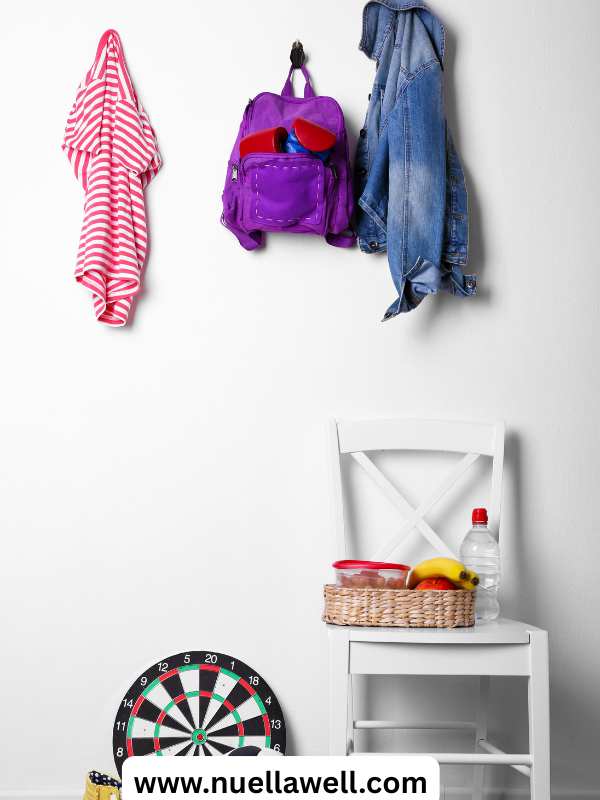
Create a simple drop zone near the entrance where your child knows to place:
- School backpack
- Lunchbox
- Water bottle
- Jacket or sweater
- Sports equipment
- Important school papers
When children always put items in the same location, they spend less time searching for lost belongings and parents spend less time reminding them.
This small habit also makes the next morning easier because everything needed for school starts in one place.
Teach the Backpack Reset Habit
The backpack reset can become a quick part of the after-school routine.
Encourage your child to:
- Remove lunch containers and water bottles.
- Take out homework papers.
- Throw away unnecessary items.
- Check if any forms need to be signed.
- Put completed work where it belongs.
- Return the backpack to its designated spot.
For younger children, this may require guidance at first. For older children, it can become a responsibility they manage independently.
Prepare Tomorrow Before the Evening Gets Busy
Many families experience morning stress because preparation is left until the last minute.
Adding a few minutes of preparation after school can make the next day smoother.
Simple tasks include:
- Checking the school calendar
- Preparing homework materials
- Packing items needed for activities
- Choosing clothes for tomorrow
- Refilling water bottles
- Placing important items near the door
These small actions can prevent the familiar morning rush of searching for missing shoes, permission slips, or school supplies.
Avoid Doing Everything for Your Child
It can sometimes feel faster for parents to organize everything themselves. When you are in a hurry, it may seem easier to pack the bag, find the missing notebook, or remind your child several times.
However, children build confidence when they practice managing age-appropriate responsibilities.
Start small.
A younger child may learn to put their shoes away. An older child may check their homework and prepare their backpack independently.
The goal is not perfection. The goal is helping your child develop habits that support them as they grow.
6. Protect Your Own Energy After School
The after-school period can be one of the most demanding parts of the day for moms. While children are transitioning from school to home, many mothers are also switching between multiple roles: finishing work tasks, preparing meals, answering questions, managing schedules, and supporting their children emotionally.
It is easy to focus completely on what your child needs and forget that you also need support and care during this busy window.
Protecting your energy does not mean ignoring your family’s needs. It means creating small habits that help you show up with more patience, focus, and calm.

Recognize That Afternoons Can Be Overwhelming
Many moms experience a “second shift” after school ends. The workday may not be finished, but the household responsibilities increase.
You may find yourself:
- Answering homework questions
- Preparing dinner
- Managing sibling disagreements
- Checking school messages
- Planning the next day
- Trying to complete unfinished tasks
When everything happens at the same time, it can feel like there is no space to pause.
Recognizing this pattern is the first step toward creating a healthier routine.
Add Small Moments of Reset
Self-care does not always require a long break or a complete schedule change.You can try these quick self-care ideas for busy moms. During busy afternoons, small moments can help you recharge.
Try:
- Taking a few deep breaths before your child arrives home
- Drinking water while preparing snacks
- Sitting down for a few minutes instead of rushing from task to task
- Stepping outside for fresh air
- Listening to calming music while preparing dinner
- Taking a short quiet moment after the children settle
These small actions may seem simple, but they remind your body and mind that your needs matter too.
Avoid Carrying Every Responsibility Alone
Many moms become the person who remembers everything:
- School dates
- Homework deadlines
- Appointments
- Meal planning
- Family schedules
- Household tasks
Over time, this invisible responsibility can become exhausting.
Whenever possible, involve other family members in age-appropriate ways.
Children can:
- Pack their own school bags
- Put away their belongings
- Help prepare simple snacks
- Complete their own routines
Partners or other caregivers can also share responsibilities instead of leaving one person responsible for remembering everything.
Create an Afternoon Routine That Supports You Too
A good after-school routine should not only organize your child’s activities. It should also make the afternoon easier for you.
Ask yourself:
- What part of the afternoon feels most stressful?
- What tasks can be prepared earlier?
- What decisions can be simplified?
- What responsibilities can be shared?
- Where can I create a small moment of calm?
Sometimes the best improvement is not adding another task. It is removing unnecessary pressure.
7. Create an Evening Flow That Makes Bedtime Easier
A successful after-school routine does not end when homework is finished. The habits you create during the afternoon can have a big impact on how smoothly the rest of the evening goes.
Many bedtime struggles begin earlier in the day. When school bags are not prepared, tomorrow’s clothes are not ready, or children become overstimulated late in the evening, bedtime can feel rushed and stressful.
Creating a gentle evening flow helps your family move from busy afternoon activities into a calmer nighttime routine.
Start Preparing for Tomorrow Before the Rush Begins
One of the easiest ways to reduce morning stress is preparing small things during the evening.
Encourage your child to:
- Pack their school bag
- Put homework and important papers in the correct place
- Choose clothes for the next day
- Prepare items needed for activities
- Return school supplies to their usual location
These small steps take only a few minutes but can prevent a lot of stress the following morning.
8. Adjust the Routine for Different Ages and Family Needs
Every child is different, and the after-school routine that works for one family may not work for another. A routine should support your child’s age, personality, energy level, and responsibilities rather than follow a strict formula.
A preschooler, an elementary school child, and a teenager will all have different needs after a day at school. The key is to create a routine that grows with your child and encourages independence over time.
For Preschool and Younger Children
Younger children often need more support during the transition from school to home. After spending hours following instructions and managing emotions, they may need extra time to relax before moving into the next activity.
A helpful routine may include:
- A warm welcome when they arrive home
- A snack and water break
- Quiet play or free time
- Simple conversation about their day
- Help putting away their belongings
- A predictable transition into the evening
At this age, routines are mainly about helping children feel secure and teaching simple habits.
Instead of expecting independence immediately, focus on repeating the same steps and offering gentle reminders.
For School-Age Children
As children get older, they can take more responsibility for their afternoon routine.
They may be ready to:
- Unpack their own school bag
- Organize homework materials
- Complete simple tasks independently
- Prepare items for the next day
- Follow a personal checklist
Parents can support this stage by providing structure while allowing children to practice responsibility.
For Older Children and Teenagers
Older children may need more flexibility and independence. Their schedules may include homework, sports, activities, social commitments, and increased responsibilities.
At this stage, the goal is less about controlling the routine and more about helping them develop habits that support their wellbeing.
Encourage them to:
- Manage their own schedules
- Prepare for upcoming commitments
- Balance schoolwork and rest
- Communicate when they need help
- Take responsibility for their belongings
Teenagers may not always follow the exact routine you suggest, but consistent conversations about organization, rest, and responsibilities can still be valuable.
Frequently Asked Questions About After-School Routines
1. What should a child do immediately after coming home from school?
A good first step is creating a calm transition from school to home. Many children benefit from putting away their school items, washing their hands, having a snack, drinking water, and taking a short break before starting homework or other responsibilities.
The exact routine depends on your child’s age, personality, and schedule. The goal is not to create a strict rule but to provide a predictable rhythm that helps your child settle in.
2. How long should a child rest after school before doing homework?
There is no single amount of time that works for every child. Some children prefer starting homework soon after arriving home, while others need time to relax and recharge first.
A short break with a snack, water, quiet play, or conversation can help many children transition more comfortably. Pay attention to your child’s energy level and create a routine that helps them focus without making the afternoon feel stressful.
3. How can I stop after-school chaos as a busy mom?
Reducing after-school chaos usually starts with creating simple systems rather than adding more tasks.
Helpful strategies include:
- Having a designated place for backpacks and school items
- Preparing easy snacks ahead of time
- Creating a consistent homework routine
- Teaching children to prepare for the next day
- Limiting the number of decisions made during busy afternoons
Small habits repeated consistently can make afternoons feel more manageable.
4. Should children do homework immediately after school?
It depends on the child and the family routine. Some children focus better after a short break, while others prefer completing homework before relaxing.
Consider your child’s age, homework load, energy level, and other activities. The best routine is one that helps your child complete responsibilities while still allowing time for rest and enjoyment.
5. What is the best after-school routine for working moms?
The best routine is one that reduces the number of things you need to manage during the busiest part of the day.
Working moms may benefit from:
- Preparing snacks ahead of time
- Creating a simple family schedule
- Teaching children age-appropriate responsibilities
- Preparing school items the night before
- Sharing household responsibilities with other caregivers
A realistic routine should support your family’s actual schedule rather than create more pressure.
6. How do I get my child to follow an after-school routine?
Children usually respond better to routines that are introduced gradually and explained clearly.
Try:
- Keeping the routine simple
- Using the same order of activities each day
- Giving reminders calmly
- Creating visual checklists for younger children
- Praising effort and progress
It may take time for a new routine to become a habit. Consistency is more important than expecting immediate perfection.
7. How can I make evenings less stressful after school?
A calmer evening often starts with what happens right after school.
Helpful habits include:
- Putting school items away immediately
- Completing important tasks before late evening
- Preparing for tomorrow
- Creating a predictable bedtime routine
- Protecting a small amount of quiet time for yourself
When afternoons are more organized, the transition into dinner and bedtime often becomes easier.
8. What if my child refuses to follow the routine?
Resistance is normal, especially when introducing a new habit. Instead of trying to change everything at once, choose one or two important steps to start with.
For example, begin with:
- Backpack goes to the same place every day
- Snack happens at the same time
- Homework starts after a predictable break
Once those habits become familiar, you can gradually add more.
9. How can I create an after-school routine with multiple children?
Families with multiple children often need flexible routines rather than identical schedules.
Helpful ideas include:
- Creating shared family habits, such as unpacking bags and having snacks
- Giving each child age-appropriate responsibilities
- Preparing supplies in advance
- Using a family calendar
- Creating separate quiet times when needed
The goal is to create a system that reduces stress for everyone.
10. How long does it take for an after-school routine to become a habit?
The time varies depending on the child, the family schedule, and how consistent the routine is.
Instead of focusing on a specific number of days, focus on repeating the same simple steps regularly. Over time, children often become more comfortable because they know what to expect.
A successful routine grows through patience, consistency, and flexibility.
Conclusion
The after-school hours do not have to be the most stressful part of your day. While every family will have busy afternoons, unexpected challenges, and moments that do not go according to plan, having a simple routine can create more calm and confidence.
The best after-school routine is not the one with the most activities or the strictest schedule. It is the one that fits your family’s real life and helps everyone move through the afternoon with less stress.
A few simple habits can make a meaningful difference:
- Giving children time to transition after school
- Creating a predictable snack and hydration routine
- Establishing a homework rhythm that works for your child
- Teaching simple organization habits
- Making space for connection and conversation
- Preparing for tomorrow before the evening becomes rushed
- Protecting your own energy as a mom
Remember that routines are meant to support your family, not create another standard you feel pressured to meet. Some days will be smooth, while others will be messy. A forgotten backpack, unfinished homework, or a difficult afternoon does not mean you have failed.
Motherhood is filled with changing schedules, different personalities, and unexpected moments. The goal is not perfection. The goal is creating small systems that make everyday life feel a little lighter.
Start with one small change. Maybe it is creating a place for school bags, preparing snacks ahead of time, or spending five minutes reconnecting with your child after school. Small habits repeated consistently often become the routines that bring the most peace.
When your child feels supported and your home has a predictable rhythm, afternoons can become a time for connection instead of constant rushing.
Once your afternoon routine is in place, creating a calmer evening can make the transition into bedtime easier. You may also enjoy our guide on Simple Night Routine for Moms.
A routine that actually works is one that helps your family feel more organized, more connected, and more balanced.
We’d Love to Hear From You
Every family has a different routine, and what works for one mom may look completely different for another.
What does your after-school routine look like?
Share your experience in the comments:
- What part of the afternoon feels the most challenging in your home?
- Do you have a routine that helps your evenings run more smoothly?
- What is one after-school habit that has made a difference for your family?
Your ideas may help another busy mom create a calmer and more manageable afternoon.
Disclaimer
As a pharmacist, I share evidence-based health and wellness information for educational purposes only. This content is not intended to replace professional medical advice, diagnosis, or treatment. Always consult your healthcare provider regarding any questions about your health, medications, or well-being. Read our full Medical Disclaimer.